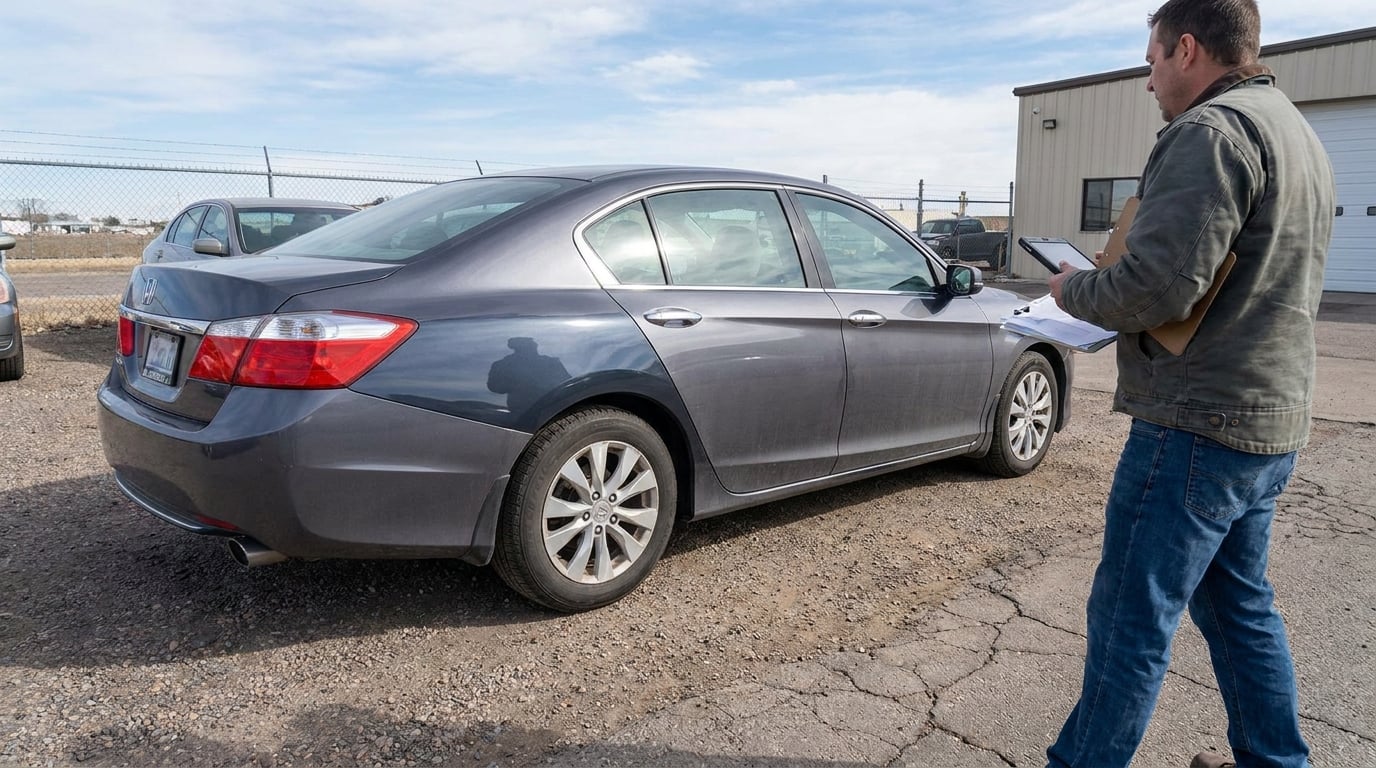
Finding Out You’re Partially At Fault Can Turn Your World Upside Down
When an insurance adjuster tells you their investigation determined you were 40% responsible for your car accident, you may wonder if you’ve lost your right to compensation. Under Illinois law, being 40% at fault doesn’t eliminate your right to recovery – but it does reduce your compensation. Understanding Illinois’ modified comparative negligence law becomes crucial when facing partial fault allegations after a crash.
💡 Pro Tip: Document everything about your accident immediately, including photos, witness statements, and your version of events. This evidence becomes invaluable when fault percentages are being disputed.
If you’re tangled in the web of fault percentages in an Illinois car accident, don’t let confusion steer your recovery. Contact 844SeeMike (PI) to help you navigate these tricky waters and fight for the compensation you deserve. Give us a ring at 312-786-4442 or contact us to ensure your rights are protected every step of the way.
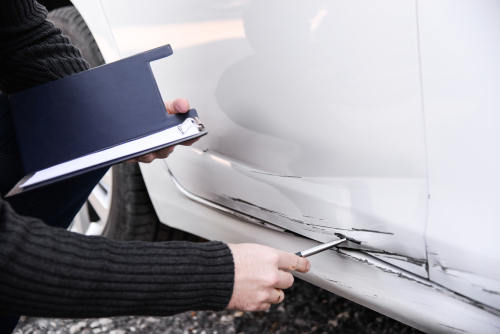
Your Rights Under Illinois’ 50% Rule
Illinois follows a modified comparative negligence system under statute 735 ILCS 5/2-1116, allowing you to recover damages as long as you’re not more than 50% at fault (meaning 50% or less). At 40% responsibility, you maintain your right to pursue compensation, but your total recovery will be reduced by your fault percentage. There is no official Illinois Department of Transportation statistic regarding the percentage of disputed liability cases involving comparative negligence analysis. This 40% reduction applies to all damages, including medical expenses, lost income, pain and suffering, and property damage. A car accident attorney can help you understand how this calculation works and ensure the fault determination accurately reflects what happened.
💡 Pro Tip: Never accept a fault determination at face value. Insurance companies often assign higher fault percentages to reduce their payout obligations.
The Fault Determination Process: What to Expect
Understanding the timeline of fault determination helps you prepare for what’s ahead. The process typically unfolds over several weeks or months, with multiple opportunities to challenge fault assignments. Here’s what you can expect:
- Initial investigation phase (1-2 weeks): Adjusters interview parties, review police reports, and examine vehicle damage to make preliminary fault determinations
- Evidence gathering period (2-4 weeks): Additional evidence like traffic camera footage, witness statements, and accident reconstruction reports may alter initial assessments
- Settlement negotiations (1-3 months): Your fault percentage becomes a key negotiation point, with insurers often starting high to minimize payouts
- Legal challenge option (ongoing): You can dispute fault determinations through legal channels, where courts make final decisions on comparative negligence
💡 Pro Tip: Illinois’ statute of limitations gives you two years from the accident date to file a lawsuit, but gathering evidence becomes harder as time passes – act quickly to preserve your rights.
Fighting Back Against Unfair Fault Determinations with Help from a Car Accident Attorney
You don’t have to accept the insurance company’s 40% fault assessment as final. Many accident victims successfully challenge these determinations and reduce their assigned fault percentage, leading to significantly higher compensation. The team at 844SeeMike understands how insurance companies calculate fault and knows their blame-shifting strategies. By thoroughly investigating your accident, gathering additional evidence, and presenting a compelling case, a car accident attorney can often reduce or eliminate your fault percentage. Even a 10% reduction in assigned fault means 10% more compensation.
💡 Pro Tip: Keep detailed records of all communications with insurance companies, including dates, times, and what was discussed – this documentation proves invaluable during negotiations.
Real-World Impact: How 40% Fault Affects Your Compensation
Understanding the financial impact of being 40% at fault helps you make informed decisions. If your total damages equal $100,000, being 40% at fault means you can recover $60,000 from the other party. This reduction applies across all damage categories, making accurate fault determination critical to your financial recovery.
Common Scenarios Leading to Partial Fault Findings
Insurance companies frequently assign partial fault based on factors like speed, following distance, or alleged traffic violations. For instance, if you exceeded the speed limit by 5 mph when another driver ran a red light and hit you, insurers might argue you share fault because your speed affected collision avoidance. Understanding these scenarios helps you anticipate and counter insurance company arguments. Initial fault assignments often favor the insurance company’s financial interests rather than reflecting true responsibility.
💡 Pro Tip: Challenge any traffic citations you receive after an accident – dismissed tickets strengthen your position during fault negotiations.
Strategic Approaches to Reducing Your Fault Percentage
Successfully reducing your assigned fault requires a strategic approach combining evidence, legal knowledge, and negotiation skills. Identify weaknesses in the insurance company’s fault assessment. Did they overlook crucial evidence? Did they misinterpret traffic laws? Are they relying on biased witness statements? Each weakness represents an opportunity to challenge their determination.
Evidence That Can Shift Fault Percentages
Certain evidence proves particularly powerful in challenging fault determinations. Traffic camera footage often reveals details that contradict initial police reports or witness statements. Electronic vehicle data, including speed, braking patterns, and steering inputs, provides objective proof of driver actions. Accident reconstruction experts can demonstrate how the crash occurred and challenge insurance company assumptions. Even skid mark patterns can prove decisive in establishing true fault percentages.
💡 Pro Tip: Request maintenance records for traffic signals and road conditions at the accident scene – malfunctioning signals or poor road maintenance can shift fault away from drivers.
Insurance Company Tactics and How to Counter Them
Insurance companies employ predictable strategies to maximize fault assignments against injury victims. They might claim you could have avoided the accident with defensive driving, argue that your vehicle’s condition contributed to the crash, or use your own statements against you. Recognizing these tactics helps you avoid common pitfalls. Never give recorded statements without legal representation, and be cautious about apologizing or admitting any fault at the accident scene.
Protecting Your Rights During the Claims Process
Every interaction with insurance companies affects your fault determination and potential recovery. Document all conversations, refuse to sign documents without review, and remember that insurance adjusters work for their company, not for you. When they request access to your medical records or vehicle, understand they’re looking for ways to increase your fault percentage or minimize your damages. Having an IL Auto Accidents lawyer handle these communications protects you from tactics designed to undermine your claim.
💡 Pro Tip: Create a dedicated email address for all accident-related communications – this keeps important messages organized and prevents them from getting lost in your regular inbox.
Frequently Asked Questions
Understanding Partial Fault in Illinois
Many accident victims have questions about how partial fault affects their rights and recovery options. These answers address the most common concerns about Illinois’ comparative negligence system.
💡 Pro Tip: Write down all your questions before meeting with an attorney – this ensures you get all the information you need during your consultation.
Next Steps After a Fault Determination
Knowing what to do after receiving a fault determination can make the difference between accepting reduced compensation and fighting for what you deserve.
💡 Pro Tip: Set calendar reminders for all legal deadlines – missing a deadline can permanently affect your ability to challenge fault determinations or pursue compensation.
1. Can I still sue if I’m 40% at fault for a car accident in Illinois?
Yes, under Illinois comparative fault laws, you can file a lawsuit and recover damages as long as you’re less than 50% at fault. Being 40% at fault means you can recover 60% of your total damages from the other party.
2. How do insurance companies determine fault percentages in Illinois car accidents?
Insurance companies investigate by reviewing police reports, interviewing witnesses, examining vehicle damage, and analyzing the accident scene. They then assign fault percentages based on their interpretation of traffic laws and circumstances. However, their determination isn’t final – you can challenge it through negotiation or litigation.
3. What if I disagree with the 40% fault determination?
You have the right to dispute any fault determination. Gather additional evidence supporting your version of events. Your Auto Accidents lawyer in IL can negotiate with insurance companies or file a lawsuit where a judge or jury makes the final determination.
4. How long do I have to challenge a fault determination in Illinois?
While there’s no specific deadline for challenging an insurance company’s fault determination during negotiations, Illinois’ statute of limitations gives you two years from the accident date to file a lawsuit. Acting quickly preserves evidence and witness memories.
5. Will my 40% fault affect my ability to claim medical expenses?
Your 40% fault applies to all damages equally, including medical expenses. If you have $50,000 in medical bills, being 40% at fault means you can recover $30,000 from the other party.
Work with a Trusted Auto Accidents Lawyer
Facing a partial fault determination doesn’t mean accepting reduced compensation without a fight. Illinois’ modified comparative negligence law protects your right to recovery when you’re less than 50% at fault, but maximizing that recovery requires understanding how fault determinations work and effectively challenging unfair assessments. The difference between being 40% at fault and 30% at fault could mean thousands of dollars in additional compensation. Don’t let insurance companies dictate your fault percentage without pushback. Having experienced legal representation ensures your side of the story gets proper consideration. Take action now to protect your rights and pursue the full compensation you deserve under Illinois law.
Finding yourself caught in the fault percentage tangle after an Illinois car accident? 844SeeMike (PI) is here to help you unravel the complexities and ensure you get the compensation you deserve. Call us at 312-786-4442 or contact us to make sure your rights are safeguarded every step of the way.