Yes, a distracted driver can be held liable for a motorcycle crash in Illinois. Because Illinois follows a fault-based system, an injured motorcyclist may pursue a negligence claim directly against the driver who caused the crash. Distracted driving, including texting or cell phone use, is a recognized form of driver negligence. When a car hits a motorcycle in Illinois, consequences for the rider are often severe, and the law provides a path to seek compensation for medical bills, lost wages, and pain and suffering. However, claim strength depends on the facts, evidence preserved, and how quickly the injured rider takes action.
If you or a loved one suffered injuries in a distracted driving motorcycle accident in IL, call 844SeeMike (PI) at 312-786-4442 or reach out online to discuss your case today.
Why Illinois Law Allows Fault-Based Claims After a Motorcycle Collision
Illinois operates under a fault-based insurance and liability system, meaning the person who caused the crash bears financial responsibility for the resulting harm. Unlike no-fault states where injured parties must first seek compensation from their own insurer, Illinois permits the injured motorcyclist to file a claim or lawsuit against the negligent driver, allowing recovery of the full scope of damages.
Under this framework, proving negligence is the foundation of any IL motorcycle accident liability case. The injured rider must show the driver owed a duty of care, breached that duty through distracted behavior, that the breach directly caused the rider’s injuries, and that actual damages resulted. A driver scrolling through a phone or otherwise not focused on the road has clearly breached the duty to drive safely.
💡 Pro Tip: Preserve every piece of evidence from the scene, photos, witness contacts, police report number, and phone records obtainable through discovery can strengthen your negligent driver motorcycle collision claim.
How Distracted Driving Establishes Negligence in a Motorcycle Crash
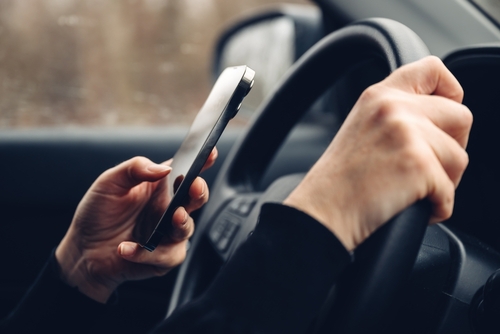
Distracted driving is one of the most common forms of driver negligence on Illinois roads. State and national safety research consistently link cell phone use and inattentive driving to serious collisions. When a driver fails to stay focused and strikes a motorcyclist, that failure serves as persuasive evidence of a breach of duty.
Proving the Driver Was Distracted
Evidence of distraction can come from multiple sources. Cell phone records, dashcam or traffic camera footage, eyewitness testimony, and the driver’s own statements at the scene may all demonstrate inattention. Law enforcement officers often note signs of distraction in crash reports. Building this evidence early is critical because it directly supports the causation element of negligence.
The Role of Police Reports and Witness Statements
A well-documented police report can significantly bolster a distracted driver motorcycle crash Illinois claim. Officers may observe the at-fault driver holding a phone, note erratic driving patterns, or record admissions. Witness statements that corroborate the rider’s account add credibility and are weighed heavily when evaluating fault.
💡 Pro Tip: If physically able after a crash, ask bystanders if they saw what happened and request their contact information. Witness memories fade quickly.
Understanding Comparative Negligence and the 51% Bar
Illinois follows a modified comparative negligence rule with a 51 percent bar, which directly affects how much compensation an injured motorcyclist can recover. If the rider is found partially at fault, the damages award is reduced by the rider’s percentage of responsibility. For example, if a jury awards $100,000 but determines the motorcyclist was 20 percent at fault, recovery drops to $80,000. If the motorcyclist is 51 percent or more at fault, recovery is barred entirely under the Illinois car accident law framework.
This rule makes it essential to counter arguments that the rider contributed to the crash. Insurance companies often try to shift blame by alleging speeding, lane splitting, or failure to wear protective gear. Strong evidence of the driver’s distraction helps minimize or eliminate allegations of shared fault. Understanding Illinois motorcycle laws and how they apply to your riding behavior also helps protect against these arguments.
💡 Pro Tip: Never admit fault or apologize at the crash scene. Statements like “I’m sorry” can be used against you to argue comparative negligence, potentially reducing your compensation.
Illinois Insurance Minimums and Why They Often Fall Short
Illinois law requires all drivers to carry liability insurance, but the state-mandated minimums are often inadequate for serious motorcycle injuries.
The table below outlines the minimum coverage Illinois drivers must carry:
| Coverage Type | Minimum Required Limit |
|---|---|
| Bodily Injury (per person) | $25,000 |
| Bodily Injury (per accident) | $50,000 |
| Property Damage (per accident) | $20,000 |
| Uninsured Motorist BI (per person) | $25,000 |
| Uninsured Motorist BI (per accident) | $50,000 |
Motorcycle crashes frequently result in catastrophic injuries such as traumatic brain injuries, spinal cord damage, and multiple fractures. Medical costs alone can easily exceed $25,000, meaning the at-fault driver’s minimum policy may not cover full damages. Injured riders may need to explore additional sources of recovery, including their own underinsured motorist coverage or other liable parties.
Uninsured and Hit-and-Run Scenarios
If the at-fault driver is uninsured or flees the scene, uninsured motorist (UM) bodily injury coverage becomes a vital safety net. UM coverage protects the rider for injuries caused by a hit-and-run driver or an at-fault driver carrying no liability insurance. According to the Illinois Department of Insurance, this coverage is required on every Illinois auto policy.
💡 Pro Tip: Review your motorcycle insurance policy before you need it. Increasing your UM/UIM coverage limits is typically affordable and can make a significant difference.
What Happens When a Driver Flees the Scene
Illinois law imposes serious criminal penalties on drivers who leave the scene of an injury crash, which can also affect civil liability. Under 625 ILCS 5/11-401, when a crash causes personal injury or death, the driver must immediately stop at or near the scene, return, and remain until all statutory duties are fulfilled.
Criminal Penalties for Leaving the Scene
The penalties for fleeing an injury crash escalate based on severity. Failing to stop and remain is a Class 4 felony. If the driver also fails to make the required report, the charge elevates to a Class 2 felony for injury crashes and a Class 1 felony if the crash resulted in death. Conviction also triggers mandatory license revocation.
While these are criminal consequences, they carry weight in a motorcycle injury claim. A hit-and-run conviction or charge serves as powerful evidence of consciousness of guilt and may influence settlement negotiations.
The Statute of Limitations: Do Not Miss Your Deadline
In Illinois, the statute of limitations for most personal injury lawsuits arising from a motor vehicle crash is generally two years from the date of the injury. Missing this deadline can permanently bar your right to file a lawsuit, regardless of case strength. While narrow exceptions may apply in limited circumstances, courts interpret tolling provisions strictly.
Acting quickly also helps preserve evidence that may otherwise disappear. Surveillance footage gets overwritten, witnesses relocate, and physical evidence degrades.
💡 Pro Tip: Even if injuries seem minor, consult with a motorcycle accident attorney promptly. Some injuries may not present symptoms for days or weeks.
How a Motorcycle Accident Attorney Can Help Build Your Case
An experienced motorcycle crash lawyer Illinois families trust can handle investigating fault, gathering evidence, and negotiating with insurance companies on your behalf. From obtaining cell phone records to retaining accident reconstruction professionals, a motorcycle accident attorney understands the steps needed to build a strong negligence claim.
Riders pursuing Illinois motorcycle accident compensation may recover damages including:
- Medical expenses (emergency care, surgeries, rehabilitation, ongoing treatment)
- Lost wages and diminished earning capacity
- Pain and suffering, including emotional distress
- Property damage to the motorcycle and riding gear
Every case is different, and outcomes depend on the unique facts involved. Having legal representation focused on plaintiff-side motorcycle injury cases helps level the playing field against well-resourced insurance defense teams.
Frequently Asked Questions
1. Can I still recover compensation if I was partially at fault for the motorcycle crash?
Yes, in many cases. Illinois follows modified comparative negligence with a 51 percent bar. Your compensation is reduced by your percentage of fault, but you can recover as long as you are not 51 percent or more responsible.
2. What should I do if the distracted driver’s insurance offers a quick settlement?
Be cautious before accepting any early offer. Insurance companies often make low initial offers before the full extent of injuries is known. Consulting with a motorcycle accident attorney before signing anything ensures you do not settle for less than your claim is worth.
3. How do I prove the other driver was distracted at the time of the crash?
Evidence such as cell phone records, traffic camera footage, witness testimony, and the police report can support a distraction claim. Data from the driver’s vehicle may also be relevant. An attorney can help obtain this evidence through legal discovery.
4. What if the driver who hit me was uninsured or fled the scene?
You may still have options. Your own uninsured motorist (UM) coverage can apply if the at-fault driver was uninsured or committed a hit-and-run. Illinois requires UM coverage at minimum limits of $25,000 per person and $50,000 per accident on every auto policy.
5. How long do I have to file a lawsuit after a motorcycle crash in Illinois?
The statute of limitations for most personal injury claims in Illinois is generally two years from the date of the injury. However, specific circumstances may affect this deadline. Consulting with an attorney as soon as possible helps ensure you do not miss critical filing dates.
Protect Your Rights After a Distracted Driving Motorcycle Crash in Illinois
A distracted driver who causes a motorcycle crash in Illinois can be held civilly liable for the injuries and losses the rider suffers. From proving negligence and navigating comparative fault rules to dealing with inadequate insurance coverage or hit-and-run scenarios, the legal process demands prompt action and thorough preparation. Understanding your rights under Illinois law is the first step toward pursuing full and fair compensation.
Do not face the insurance companies alone. Contact 844SeeMike (PI) by calling 312-786-4442 or get in touch online to speak with a dedicated motorcycle accident attorney who can evaluate your claim and help you move forward.