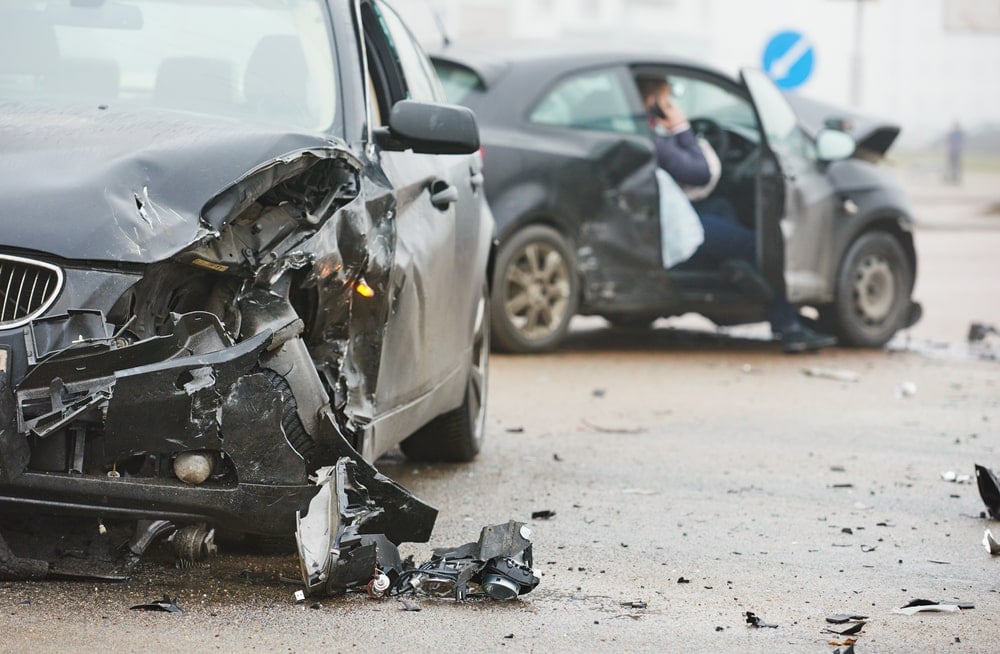
Most private cars and motorcycles in Illinois never need a routine safety inspection, but second-division commercial vehicles, buses, and certain trailers do. Those inspections happen at IDOT-licensed Official Testing Stations across the state, including the safety lane in Elgin in Kane County. Rebuilt salvage vehicles go through a separate Secretary of State inspection before they can get a rebuilt title. Here is who needs an inspection, what it covers, and what it means if a commercial vehicle on the road skipped one.
If you have been injured in an accident with a commercial truck or bus, an experienced Illinois car crash attorney can investigate whether the at-fault party violated the vehicle safety inspection requirements in a way that contributed to your accident and injuries.
Who Needs a Vehicle Safety Inspection in Illinois?
Illinois vehicle inspection laws do not require routine safety inspections for most privately owned passenger vehicles, such as cars and motorcycles. That is true no matter how big the vehicle is, so an ordinary pickup or SUV used for personal driving is not pulled into the program simply because of its weight. The safety-test law reaches specific categories of vehicles instead (625 ILCS 5/13-101), including:
- Second-division vehicles: trucks, truck tractors, and other vehicles designed to carry freight and cargo or more than 10 people
- Buses: motor buses, religious organization buses, senior citizen transportation vehicles, and limousines
- School buses, plus first-division vehicles such as taxis operated for school-bus purposes, whose drivers hold a school bus driver permit
- Medical transport vehicles, tow trucks, and driver education vehicles
- Contract carriers transporting employees
- Trailers, semitrailers, and pole trailers with a gross weight of 10,001 pounds or more, and the second-division vehicles that pull them
Weight matters within that list rather than across the whole vehicle fleet. A second-division vehicle registered for 10,000 pounds or less is generally exempt unless it pulls a trailer at or above the 10,001-pound line.

Illinois Commercial Vehicle Safety Inspection Requirements
The Illinois Department of Transportation (IDOT) enforces safety inspection regulations for commercial motor vehicles through roughly 200 Official Testing Stations statewide. Key requirements for such vehicles include:
- Inspection intervals set by vehicle class: truck tractors, semitrailers, and property-carrying vehicles registered between 10,001 and 26,000 pounds are tested at least every 12 months, while medical transport vehicles and other second-division vehicles are tested at least every 6 months (625 ILCS 5/13-109)
- School bus schedule: school buses and first-division vehicles used to carry students must be tested at least every 6 months or 10,000 miles, whichever comes first
- Inspection stations: testing must be done at an Official Testing Station licensed by IDOT
- Inspection criteria: inspections cover brakes, tires, lights, steering components, suspension systems, and exhaust
- Certification sticker: a vehicle that passes must display a valid safety inspection sticker
- Failure to comply: operating a commercial vehicle, such as a truck tractor, without a valid inspection sticker can result in fines and penalties
Where Is the Elgin DOT Safety Lane?
The Elgin safety lane is one of the IDOT-licensed Official Testing Stations where commercial vehicles and buses complete a required safety test in Kane County. IDOT publishes a full map and list of testing stations, so owners can find an authorized lane near them.
A vehicle that passes its safety test receives a certificate of safety, which Illinois requires for second-division vehicles and other regulated vehicles before they can operate on public highways (625 ILCS 5/13-101). Second-division vehicles include those built to carry more than 10 people or to haul freight and cargo. If you drive for a fleet, the employer or trucking company is responsible for keeping each vehicle current on its inspection. When a crash near Elgin involves a commercial vehicle, an Elgin truck accident lawyer can check whether the vehicle carried a valid certificate of safety at the time.
Rebuilt Salvage Vehicle Inspections
Vehicles that have been deemed a total loss by an insurance company and later rebuilt go through a different process, run by the Illinois Secretary of State rather than IDOT. Before a rebuilt title is issued:
- Who inspects: the inspection is performed by the Secretary of State Department of Police at safety lanes it designates, by appointment (92 Ill. Adm. Code 1020.80)
- Who can apply: only a licensed rebuilder can bring a vehicle out of salvage in Illinois, so an owner who is not licensed has to work through one
- What it checks: inspectors verify ownership documentation for the essential parts used in the rebuild and confirm vehicle identification numbers, which is an anti-theft check
- What it does not do: the salvage inspection is not a certification that the vehicle is safe, roadworthy, or well repaired
- Driving before the title issues: a salvaged vehicle cannot be driven on the road until the rebuilt title is issued, apart from a permit to reach the inspection station
That last point matters after a crash. A rebuilt title tells you the vehicle passed a parts-and-paperwork check, not that anyone certified its brakes or structure.
Emission Testing Requirements in Illinois
While most Illinois car inspection rules focus on safety, the state also mandates vehicle emissions inspections for vehicles registered in particular areas to meet federal Clean Air Act standards. Requirements include:
- Applicable vehicles: most gasoline-powered vehicles from model year 1996 or later, once the vehicle is more than four years old, tested every two years
- Covered area: all or parts of Cook, DuPage, Lake, Kane, McHenry, Will, Madison, Monroe, and St. Clair counties, with coverage set by ZIP code rather than by county line
- Testing locations: the Illinois Environmental Protection Agency (IEPA) oversees the program, and testing at official stations is free to the motorist
- Failure consequences: vehicles that fail an inspection must be repaired and retested to keep their registration eligibility
What Does a Vehicle Safety Inspection Include?
The Illinois vehicle safety requirements generally cover the following components in a safety inspection for eligible vehicles:
- Brakes: proper function, pad thickness, and brake fluid levels
- Steering and suspension: checks for worn or loose components
- Lights and signals: headlights, brake lights, turn signals, and hazard lights
- Tires and wheels: adequate tread depth and proper inflation
- Windshield and wipers: free from cracks, with fully operational wipers
- Seat belts: intact and functioning correctly
- Exhaust system: checked for leaks and emissions compliance
Penalties for Non-Compliance
- Fines and tickets: drivers operating a vehicle without a required safety inspection sticker may be fined
- Registration suspension: vehicles that fail emissions testing and are not repaired within the allotted time may have their registration suspended
- Impoundment: law enforcement can impound commercial vehicles found operating without a valid safety inspection sticker
Where to Get a Vehicle Inspection in Illinois?
Three different agencies run the three different programs. To find the right place:
- Safety inspections: Official Testing Stations for commercial vehicles and buses, including the Elgin safety lane, are listed and mapped on the IDOT website
- Salvage inspections: rebuilt salvage appointments are scheduled through the Secretary of State Department of Police
- Emissions testing: official emissions testing sites are located throughout the covered ZIP codes
Exemptions from Vehicle Inspections
The exemptions differ depending on which program you are asking about.
Exempt from the safety test (625 ILCS 5/13-101):
- Farm vehicles and agricultural equipment
- Recreational vehicles
- Antique vehicles displaying special plates
- House trailers used as living quarters
- Special mobile equipment and federal government vehicles
Not tested under the emissions program:
- Vehicles powered exclusively by electricity
- Diesel-powered vehicles
- Vehicles from model year 1995 or earlier
- New vehicles, until they are more than four years old
How Our Illinois Commercial Motor Vehicle Accident Attorneys Investigate Safety Inspection Violations
At 844-SEE-MIKE, our commercial truck accident attorneys move fast to find the evidence that shows whether safety inspection violations contributed to your accident and injuries.
Driver’s Pre-Trip and Post-Trip Inspection Logs
Federal and Illinois laws require commercial motor vehicle (CMV) drivers to conduct pre-trip and post-trip inspections. We obtain these records to check for any missed or falsified inspections.
CMV Maintenance and Repair Records
Trucking companies must keep detailed maintenance logs. We investigate whether the company neglected critical repairs or failed to follow the required inspection schedule.
Event Data Recorder (Black Box) Information
Many CMVs carry black boxes that store braking, speed, and mechanical failure data. Our legal team analyzes this information to determine whether a safety issue contributed to the crash.
Inspection Reports from the Illinois State Police and FMCSA
If the CMV was cited for safety violations during prior roadside inspections, these reports help us establish a pattern of negligence.
Expert Mechanical Analysis
We work with mechanical experts to inspect the damaged vehicle for brake failures, tire defects, or engine malfunctions that indicate ignored safety inspections.
Frequently Asked Questions
Do passenger cars need a safety inspection in Illinois?
No. Illinois does not require a periodic safety inspection for ordinary private passenger cars or motorcycles, regardless of the vehicle’s weight. Vehicles from model year 1996 or later that are registered in covered ZIP codes, including areas of Cook, DuPage, Lake, and Kane counties, do need an emissions test every two years once the vehicle is more than four years old.
What is the Elgin DOT Safety Lane?
The Elgin safety lane is an IDOT-licensed Official Testing Station in Elgin, Illinois, in Kane County. It performs the safety inspections that second-division commercial vehicles and buses need before they can operate on Illinois roads. It is one of roughly 200 testing stations listed on the IDOT website.
What is a salvage safety inspection in Illinois?
It applies to a vehicle that was declared a total loss and then rebuilt, and despite the name it is not really a safety check. The Secretary of State Department of Police inspects the vehicle to confirm ownership documentation for the essential parts used in the rebuild and to verify vehicle identification numbers. It does not certify that the vehicle is safe or roadworthy.
How often do commercial vehicles need a safety inspection in Illinois?
It depends on the class of vehicle. Truck tractors, semitrailers, and property-carrying vehicles registered between 10,001 and 26,000 pounds are tested at least every 12 months, while medical transport vehicles and other second-division vehicles are tested at least every 6 months. School buses and first-division vehicles carrying students must be tested at least every 6 months or 10,000 miles, whichever comes first (625 ILCS 5/13-109). Ordinary passenger cars are not part of this program at all. Confirm your vehicle’s interval with IDOT.
If a Commercial Vehicle Hit You
If a truck, bus or trailer hit you, we will pull inspection and maintenance records to see whether a skipped safety test played a part.
No fee unless we win.
This article is general information about Illinois vehicle inspection requirements, not legal advice.