
A motorcycle can be declared a total loss even when it looks barely scratched, and the reason is almost always money rather than the size of the dent. Insurers compare the estimated cost to repair your bike against its actual cash value (ACV), and once repairs approach a set share of that value, the company pays you a settlement instead of authorizing the fix.
That math surprises a lot of riders. A dropped bike with a cracked fairing, a bent lever, and some road rash on the tank can carry a repair estimate that quickly climbs past what the motorcycle is worth on paper, especially on an older or high-mileage bike. Understanding how insurers reach a total-loss decision helps you spot a low offer and push back for a fair payout.
Key Takeaways
- A motorcycle is “totaled” when repair costs approach or exceed its actual cash value, not when the damage looks severe
- Most insurers total a bike once repairs hit roughly 50% to 75% of ACV, though the threshold varies by insurer and by state
- Expensive OEM parts, high labor rates, and hidden frame or fork damage push motorcycle estimates up fast
- The first settlement offer is a starting point, and documented upgrades, maintenance, and comparable listings can support a higher value
- If you were also injured, Illinois generally gives you two years to file a personal-injury claim
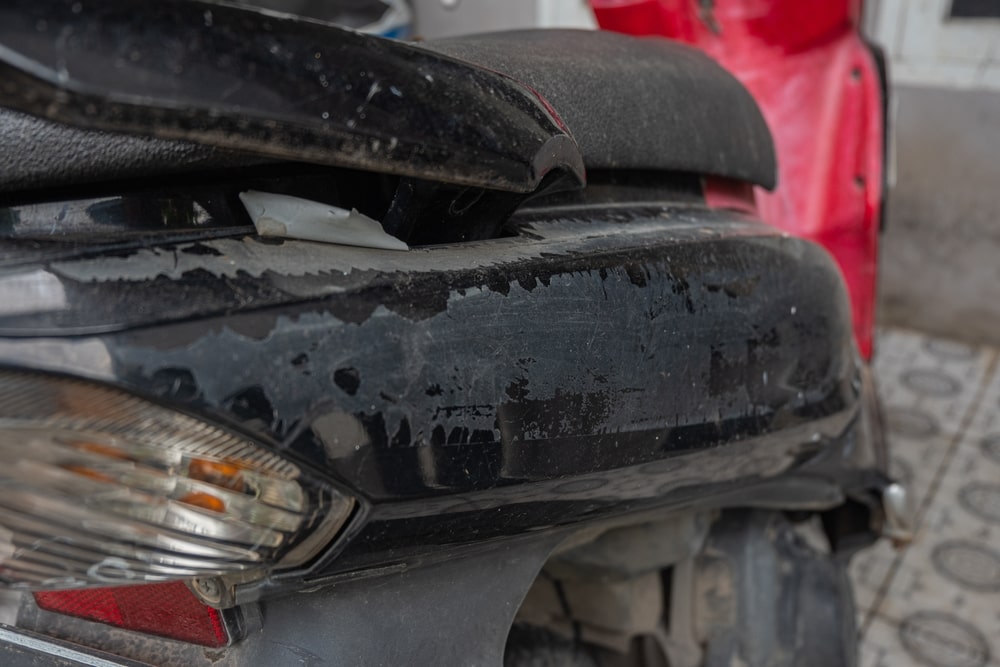
Understanding Motorcycle Valuation
When an insurer assesses a motorcycle after a crash, the difference between actual cash value and market value drives everything that follows. These numbers decide whether your bike gets repaired or written off as a total loss.
Actual Cash Value vs. Market Value
Actual cash value (ACV) is what your motorcycle would realistically sell for in its pre-accident condition, after accounting for depreciation. Market value is often a more optimistic figure, closer to an asking price you might see in a pricing guide or a clean online listing under ideal selling conditions. Insurers settle totaled bikes on ACV, which is usually the lower of the two.
Factors that shape both ACV and market value include:
- Make and model
- Year of manufacture
- Current mechanical and cosmetic condition
- Mileage
- Demand for that type of motorcycle
Factors Affecting a Motorcycle’s Actual Cash Value
Several factors specifically move a motorcycle’s ACV:
- Depreciation: bikes lose value steadily as they age, and new motorcycles can shed a large share of their value in the first couple of years
- Condition: not just cosmetics, but mechanical fitness and maintenance history
- Aftermarket modifications: some add value, others reduce it or are ignored without documentation
- Market trends: the popularity of a model affects what buyers will pay
When a bike is damaged, the insurer weighs repair costs against this ACV. If the estimate approaches or exceeds the motorcycle’s actual cash value, the company is likely to declare a total loss.
Criteria for Totaling a Motorcycle
An insurance adjuster applies specific criteria to decide whether a bike is a total loss. The core question is how the repair estimate compares to the motorcycle’s actual cash value.
Assessment by the Insurance Adjuster
The adjuster inspects the motorcycle and estimates repair costs, including parts, labor, and any hidden damage found during teardown. If those costs cross a certain threshold of the bike’s value, the adjuster declares it totaled. That threshold varies by company and state but commonly falls in the 50% to 75% range, and some insurers go higher. Motorcycles reach it faster than cars because OEM parts are costly, labor rates are high, and a fall can quietly bend a frame or fork that is expensive to make right.
Property Damage Claim Considerations
On a property damage claim, the insurer also weighs the salvage value of the bike and any liability questions from the crash. It has to decide whether repairing the motorcycle makes economic sense or whether paying you its actual cash value is the cleaner outcome. State salvage-title laws and the specifics of the policy covering the bike factor into that call.
Insurance Claims and Compensation
Once a bike is declared a total loss, that decision shapes both the claim process and the payout you can expect. This matters most in the frustrating cases where the damage looks minor but the motorcycle is written off anyway.
Navigating the Insurance Claim Process
The process starts when you file a claim after the crash. The insurer inspects the bike and estimates the damage, and if repairs cost more than a preset percentage of value, it totals the motorcycle. That call is not based on visible damage alone, since hidden structural issues can tip the scale.
At this stage you may need to negotiate with the adjuster or get advice from the motorcycle accident attorneys at 844-SEE-MIKE to make sure the offer reflects your bike’s true value. If the motorcycle is financed or leased, gap coverage can help by paying the difference between the settlement and what you still owe, which can exceed the bike’s ACV.
How Much Compensation to Expect
Compensation for a totaled motorcycle is generally based on its ACV, which reflects depreciation and the bike’s pre-accident condition. The insurer’s first offer is not the final word. You can push back, especially with evidence that the motorcycle is worth more, such as recent maintenance, upgrades, or comparable local listings that may not show up in the insurer’s initial valuation.
If you were hurt in the crash, your medical costs belong in the picture too, and any injuries from the accident can be part of a separate injury claim. When another rider or driver caused the crash, pursuing the at-fault party’s insurance for those medical expenses may be necessary. In Illinois, you generally have two years from the date of the accident to file a personal-injury claim (735 ILCS 5/13-202), so it helps to talk with a lawyer before that window closes. The deadline for the bike itself is different, since a claim for damage to property generally runs five years (735 ILCS 5/13-205), which means the injury clock is the one that runs out first.
The Role of Legal Representation From 844-SEE-MIKE
When your bike is totaled over what looks like little damage, having a lawyer in your corner can change the outcome. A Chicago motorcycle accident lawyer from 844-SEE-MIKE can review the insurer’s valuation, challenge decisions that fall short of fair market practice, and handle the back-and-forth so you are not doing it alone.
We read and interpret the policy details, gather the documentation that supports your bike’s value, negotiate with adjusters, file the paperwork, and take the matter to court if it comes to that. We also compare repair costs against the insurer’s assessment to test whether the motorcycle should really be considered a total loss.
Working with a lawyer takes the pressure off riders who might otherwise feel cornered into accepting a first offer. Our goal is to level the field between you and the insurance company and reach an outcome that reflects the real impact of the crash. You pay nothing unless we recover money for you.
Insights for Riders After a Motorcycle Accident
Knowing why insurers total bikes with minor damage helps you protect yourself. What you do before and after a crash can shape the compensation you receive.
Protecting Your Motorcycle’s Value
Maintain your motorcycle and keep detailed records of every service and upgrade. Those records show an insurer the investment you have put into the bike and can support a higher valuation after a crash. Adding security features can also deter theft, another situation where the insurer falls back on ACV to settle a claim.
Understanding Your Insurance Policy
Read your policy closely so you know your coverage and how your insurer defines a total loss. Companies routinely compare repair costs to ACV, and when the estimate approaches that value they may total the bike to avoid paying for hidden damage that surfaces later. Get comfortable with terms like “actual cash value” and “replacement cost” so you can navigate the process with confidence.
Frequently Asked Questions
What happens if insurance totals your motorcycle?
The insurer pays you a cash settlement based on the motorcycle’s actual cash value instead of repairing it, and in most cases takes ownership of the bike for salvage. If you financed the motorcycle, that payout goes toward your loan first, and gap coverage can cover any remaining balance.
Why do insurance companies total motorcycles with little damage?
Because the decision is economic, not cosmetic. Motorcycle parts and labor are expensive, and a low-speed drop can hide frame, fork, or electrical damage. When the repair estimate approaches a set percentage of the bike’s value, totaling it costs the insurer less than fixing it.
When is a motorcycle considered totaled?
A motorcycle is generally considered totaled when the estimated repair cost, sometimes combined with salvage value, reaches or exceeds a threshold of its actual cash value. That threshold commonly sits in the 50% to 75% range but varies by insurer and by state.
Can you negotiate the value of a totaled motorcycle?
Yes. The first offer is a starting point. You can counter it with documentation of recent maintenance, aftermarket upgrades, low mileage, and comparable local listings that show your bike is worth more than the insurer’s initial figure.
Should I hire a lawyer if my motorcycle was totaled?
If the offer feels low, the insurer disputes fault, or you were injured in the crash, a lawyer can help you pursue a fuller recovery. The attorneys at 844-SEE-MIKE review these claims at no upfront cost, and you pay nothing unless we recover money for you.
Hurt When Your Bike Was Totaled
If the crash that totaled your motorcycle also injured you, we will review fault, your injuries and every policy that can pay.
No fee unless we win.
This article is general information, not legal advice. If you have questions about a totaled motorcycle or an injury claim after a crash, Contact 844-SEE-MIKE anytime for a free, no-pressure consultation.