When Winter Weather Creates Dangerous Sidewalks in Aurora
Every winter morning in Aurora brings the same concern – icy sidewalks that transform routine walks into potential disasters. If you’ve slipped and fallen on an ice-covered sidewalk, you’re not alone. The CDC reports that in 2020, 14 million older adults reported falling during the previous year, with medical costs for these incidents reaching approximately $50 billion annually. Understanding your rights when property owners fail to maintain safe walkways becomes crucial, especially when Aurora law mandates that snow and ice must be removed within 24 hours after a snowfall ends.
💡 Pro Tip: Take photos of the icy conditions immediately after your fall, including the surrounding area and any visible property markers. This evidence becomes invaluable if you need to prove the property owner failed to meet their 24-hour snow removal obligation.
If icy sidewalks have turned your walk into a worrisome stumble, it’s time to take action. The team at 844SeeMike (PI) is here to guide you through the legal maze and fight for the compensation you deserve. Don’t hesitate to contact us or call now at 312-786-4442 for a no-obligation consultation that’s as reassuring as a cozy winter blanket.
Understanding Your Legal Rights After a Slip and Fall on Ice
To establish liability in a slip and fall case on ice-covered property, you must prove the landowner’s negligence caused your injury. This requires showing that the landowner owed you a duty of care, breached that duty, you suffered an injury, and the injury resulted from that breach. Under premises liability law, property owners can be held responsible if they caused the hazard, knew about the dangerous condition but did nothing to fix it, or should have known about it because a reasonable person would have discovered and addressed it. When dealing with icy conditions, working with a slip and fall lawyer becomes essential to navigate these complex requirements.
💡 Pro Tip: Document any communication with the property owner about the icy conditions, including texts, emails, or notices posted about snow removal. This can help establish whether they knew about the hazard.
Critical Deadlines: From Ice Formation to Legal Action
Time plays a crucial role in both snow removal responsibilities and legal proceedings. Aurora’s municipal code establishes clear timelines that property owners must follow, and understanding these deadlines strengthens your position when seeking compensation. The city imposes an Administrative Fee for noncompliance – $25 for single-family properties and $50 for all other property types – which demonstrates the seriousness of these obligations.
- Property owners have 24 hours after snowfall ends to clear sidewalks adjacent to their property
- During a city-declared snow emergency, the deadline extends to 48 hours for removal
- Chronic violators may be issued a Summons to appear in Aurora Municipal Court without warning
- Each day the ice remains creates a separate violation, increasing the owner’s liability exposure
- Illinois statute of limitations for personal injury claims typically allows two years to file a lawsuit
💡 Pro Tip: Request records from the city showing any citations or complaints against the property where you fell – this history can demonstrate a pattern of negligence that strengthens your case.
Finding the Right Slip and Fall Lawyer to Navigate Your Case
Recovering from a fall on ice involves more than just physical healing – it requires understanding complex liability laws and proving negligence. The experienced attorneys at 844SeeMike understand how to build strong cases by demonstrating that property owners violated Aurora’s 24-hour snow removal requirement. Colorado law and many local ordinances prohibit property owners from depositing snow on or next to public highways, and violations can result in both criminal penalties and civil liability. A skilled slip and fall lawyer will investigate whether improper snow placement contributed to your accident and use this evidence to strengthen your claim.
💡 Pro Tip: Keep all medical records and bills related to your injury, including follow-up appointments and physical therapy – comprehensive documentation helps your attorney calculate fair compensation.
The Hidden Costs of Winter Falls: Beyond Medical Bills
Falls on icy surfaces often result in more than immediate injuries. According to the CDC, falls among older adults resulted in approximately 38,000 deaths in 2021, with emergency departments treating over 3 million older adults for fall-related injuries annually. The total medical costs for fall injuries among older adults exceed $50 billion each year, highlighting why proving fault in slip and fall accidents becomes crucial for victims seeking justice. Beyond medical expenses, victims often face lost wages, ongoing rehabilitation costs, and diminished quality of life.
Economic Impact on Families
When someone suffers a serious fall on ice, the financial ripple effects touch entire families. Spouses may need to take time off work to provide care, adult children might need to arrange alternative living situations, and household budgets strain under unexpected expenses. Understanding these broader impacts helps attorneys calculate comprehensive damages that truly reflect the accident’s toll. Many families discover that homeowner’s insurance or commercial property insurance should cover these incidents when negligence is proven.
💡 Pro Tip: Create a journal documenting how your injury affects daily activities – from difficulty with household tasks to missed family events – as these details help establish non-economic damages.
Snow Removal Responsibilities: What Every Property Owner Must Know
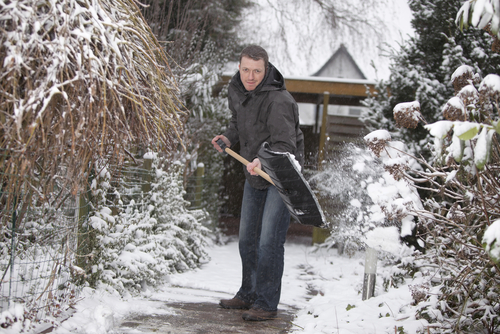
The city of Aurora places clear responsibility on residents and property owners to keep city sidewalks adjacent to their property free and clear of snow and ice. CDOT advises that many local laws require residents to clear sidewalks within 24 hours after a snowstorm to ensure pedestrian safety, explicitly linking these rules to public safety and school routes. Property owners must understand that each day such conditions continue constitutes a separate offense, potentially multiplying their legal exposure.
Proper Snow Placement Matters
CDOT recommends placing shoveled snow onto one’s own property, such as the front yard, rather than into the street or right-of-way. Improper placement can create liability for both the property owner and the person who placed the snow, creating multiple avenues for legal accountability. When property owners or their contractors violate these placement rules, they may face fines ranging from $10 to $300 per violation, plus potential civil liability for any resulting accidents.
💡 Pro Tip: If you notice snow piled in dangerous locations before your fall, take photos – this evidence of improper snow placement can significantly strengthen your liability claim.
Frequently Asked Questions
Common Concerns After Slipping on Ice
Understanding your rights and options after a slip and fall accident helps you make informed decisions about your case. These questions address the most common concerns victims face when considering legal action.
💡 Pro Tip: Write down your questions before meeting with an attorney – this ensures you cover all your concerns during the consultation.
Taking Action: Your Path Forward
Moving forward after a slip and fall requires understanding both the legal process and your recovery timeline. Knowing what to expect helps reduce stress and allows you to focus on healing.
💡 Pro Tip: Don’t wait to consult a lawyer – evidence can disappear quickly as ice melts and witnesses’ memories fade.
1. What should I do immediately after slipping on ice on someone’s property?
First, seek medical attention for any injuries, no matter how minor they seem. Document the scene with photos of the icy conditions, get contact information from witnesses, and report the incident to the property owner in writing. Keep all medical records and consider contacting a slip and fall lawyer to protect your rights, especially if the property owner failed to clear ice within Aurora’s required 24-hour timeframe.
2. How do I prove the property owner was negligent in my Aurora IL slip and fall case?
Proving negligence requires showing the property owner knew or should have known about the icy conditions and failed to address them within the legal timeframe. Evidence might include weather records showing when snow stopped falling, photos of the untreated ice, city citations for snow removal violations, and witness statements. An experienced Aurora premises liability lawyer can help gather this evidence and build a strong case.
3. Can I still recover damages if I was partially at fault for my fall?
Under Illinois’ modified comparative negligence rule, your percentage of blame reduces your damages by that amount, but only if you’re not mostly responsible for your injury. For example, if you’re found 30% at fault for not wearing appropriate footwear, your damages would be reduced by 30%. However, if you’re more than 50% at fault, you cannot recover damages.
4. What costs can I recover in an Aurora sidewalk slip and fall lawsuit?
You may recover various damages including medical expenses (current and future), lost wages, pain and suffering, disability or disfigurement, and loss of normal life activities. In cases involving gross negligence, such as chronic violations of snow removal ordinances, additional damages might be available. Your attorney will help calculate the full extent of your losses.
5. How long do I have to file a slip and fall claim in Illinois?
Illinois generally allows two years from the date of your accident to file a personal injury lawsuit. However, certain circumstances might shorten this deadline, such as claims against government entities. Don’t delay seeking legal advice – the sooner you consult an Aurora snow ice slip and fall lawyer, the stronger your case will be with fresh evidence and witness recollections.
Work with a Trusted Slip and Fall Lawyer
When icy sidewalks lead to serious injuries, you need legal representation that understands both local ordinances and state liability laws. The attorneys at 844SeeMike bring extensive experience handling premises liability cases throughout Illinois, including specific knowledge of Aurora’s snow removal requirements. We work on a contingency basis, meaning you pay nothing unless we recover compensation for your injuries. Contact us at 312-786-4442 for a free consultation to discuss your case and learn how we can help you seek the justice and compensation you deserve.
Don’t let icy sidewalks leave you out in the cold—take action today! With 844SeeMike (PI) by your side, navigating the legal landscape becomes straightforward and stress-free. For a warm conversation and expert guidance, contact us or call 312-786-4442 now.