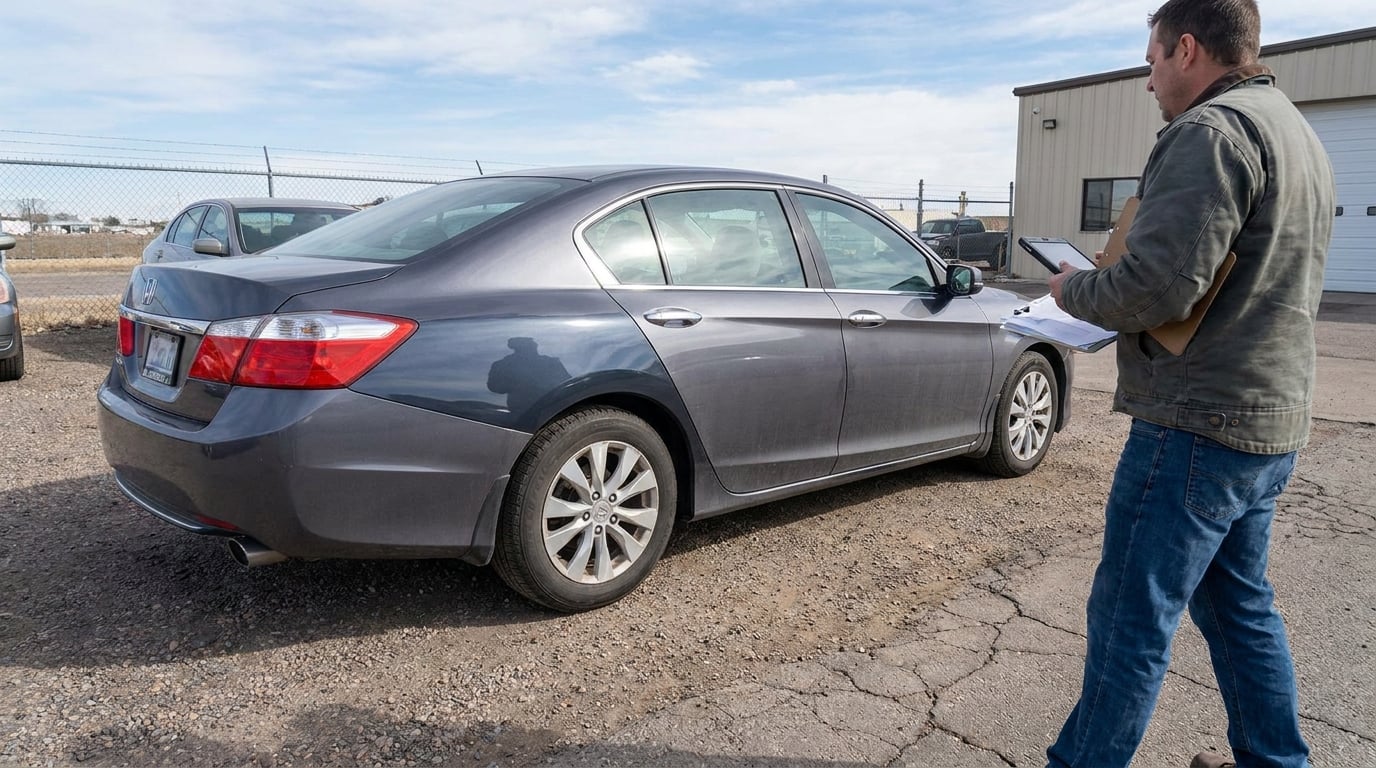
Illinois follows a modified comparative fault rule that directly affects how much money you can recover after a car accident. Under 735 ILCS 5/2-1116, if you are found to be more than 50% at fault for a crash, you cannot recover any damages. If your share of fault is 50% or less, you can still pursue compensation, but your award will be reduced by your percentage of responsibility. This rule applies to all actions involving bodily injury, death, or physical damage to property based on negligence, which includes the vast majority of motor vehicle collision claims filed in Illinois. Understanding this law is essential because even a small shift in fault percentage can mean thousands of dollars gained or lost.
If you were hurt in a crash and have questions about how fault may affect your recovery, 844SeeMike (PI) can help you evaluate your options. Call 312-786-4442 or reach out online to discuss your case.
How the Illinois Modified Comparative Fault Rule Works
Illinois does not follow a pure contributory negligence system or a pure comparative fault system. Instead, the state uses modified comparative fault, where more than one party can share responsibility for causing an accident. The critical threshold is 50%. If a judge or jury determines that your contributory fault exceeds 50% of the proximate cause of your injury or damage, you are barred from recovering any compensation. If your fault is at or below that line, your damages are reduced proportionally.
Illinois has codified this modified comparative fault standard in 735 ILCS 5/2-1116, which governs your claim under current Illinois law. For crash victims, the practical takeaway is straightforward: proving that the other driver bears the majority of fault is necessary for a successful recovery.
What Does the 50% Threshold Mean for Your Claim?
The 50% threshold acts as a hard cutoff for recovery in Illinois negligence cases. If you carry even 51% of the fault, you walk away with nothing. If you are found 30% at fault, your total damages are reduced by 30%. This system incentivizes both sides to fight over fault percentages during settlement negotiations and at trial.
Consider this example: if the other driver is 80% at fault and you are 20% at fault, a $100,000 claim could result in an $80,000 recovery rather than the full amount.
💡 Pro Tip: Document everything at the scene of the crash, including photos, witness contact information, and the police report number. Strong evidence of the other driver’s negligence helps minimize any fault percentage attributed to you during negotiations or trial.

What a Plaintiff Must Prove in an Illinois Car Accident Case
To pursue a negligence-based car accident claim in Illinois, you generally must establish four key elements. These elements form the foundation of your case and determine whether you can hold the at-fault driver financially accountable:
- The defendant owed you a duty of care (for example, the duty to operate a vehicle safely)
- The defendant breached that duty by acting negligently
- The defendant’s breach of duty was a proximate cause of the accident
- You suffered actual damages as a result (such as medical expenses, lost wages, or pain and suffering)
Missing even one of these elements can undermine your entire claim. For example, if you can show the other driver ran a red light but cannot connect that action to your injuries, your case may not succeed. An experienced car accident attorney can help you build a complete picture of liability, causation, and damages.
How Comparative Negligence Is Raised in Court
In Illinois car accident litigation, comparative negligence is treated as an affirmative defense. This means the defendant must raise it in their formal Answer to your lawsuit. The burden of both pleading and proving your contributory fault falls on the defense.
You should be prepared for this defense in virtually every contested case. Insurance adjusters routinely argue that the injured person contributed to the crash through speeding, distracted driving, or failing to take evasive action. Understanding this allows you and your legal team to proactively gather evidence to counter it.
💡 Pro Tip: Avoid giving recorded statements to the other driver’s insurance company before consulting with a lawyer. Adjusters may use your words to argue that you share a greater percentage of fault than you actually do.
How Fault Percentage Affects Your Damages in Illinois
Your fault percentage has a dollar-for-dollar impact on the compensation you receive. Illinois law requires that any damages awarded be diminished in proportion to the amount of fault attributable to the plaintiff. The table below illustrates how different fault splits affect a hypothetical $100,000 damages award:
| Your Fault Percentage | Other Driver’s Fault | Your Recovery on $100,000 |
|---|---|---|
| 0% | 100% | $100,000 |
| 20% | 80% | $80,000 |
| 40% | 60% | $60,000 |
| 50% | 50% | $50,000 |
| 51% | 49% | $0 (barred) |
As the table shows, crossing the 50% line eliminates your recovery entirely. This is why fault disputes are among the most heavily contested issues in Illinois personal injury lawsuits. Even a difference of a few percentage points can mean tens of thousands of dollars.
💡 Pro Tip: Keep a personal injury journal after your accident. Recording your daily pain levels, limitations, and how your injuries affect work and family life can strengthen the damages portion of your claim and support a higher total recovery.
Dealing With Insurance Companies After an Illinois Crash
When you file a claim against the other driver’s insurer, you are pursuing what is called a third-party claim. In this situation, you do not have a direct contract with that insurance company, and its primary obligation is to its own policyholder, not to you. This dynamic often leads to lowball settlement offers, fault disputes, and delays.
Illinois requires all drivers to carry minimum auto liability insurance. Those minimums are $25,000 per person for bodily injury or death, $50,000 per accident for bodily injury or death, and $20,000 for property damage. In serious accident cases involving fractures, traumatic brain injuries, or spinal cord damage, these minimum limits may fall far short of covering your actual losses. If you are dealing with injuries keeping you from working, understanding your recovery timeline after a rib fracture or similar injury can help you make informed decisions about settlement timing.
What Happens When You Disagree With the Insurer’s Offer?
If the insurance company denies your claim or you disagree with their settlement offer, only a judge or jury can ultimately decide who was at fault and how much the at-fault party owes. Filing a lawsuit does not necessarily mean going to trial, as many cases settle during litigation. However, having the option to go before a jury gives you leverage during negotiations.
Understanding the auto claims process in Illinois can help you navigate these disputes more effectively. You generally have limited time to act, so knowing your deadlines and rights is critical.
💡 Pro Tip: Do not accept a settlement offer until you fully understand the extent of your injuries and future medical needs. Once you sign a release, you generally cannot reopen the claim for additional compensation.
Key Deadlines: Illinois Statutes of Limitations for Car Accident Claims
Filing deadlines vary depending on the type of claim and the parties involved. Missing the applicable statute of limitations can permanently bar your right to seek compensation, regardless of how strong your case may be. In Illinois, the commonly referenced deadlines for auto accident civil claims include:
- Personal injury claims: generally 2 years from the date of the accident (735 ILCS 5/13-202)
- Property damage claims: generally 5 years (735 ILCS 5/13-205)
- Claims against local public entities or employees: may be limited to 1 year (745 ILCS 10/8-101)
Courts generally interpret tolling exceptions and deadline extensions narrowly. Do not assume that a discovery rule or other tolling provision will automatically extend your filing window. The safest approach is to consult with an attorney as soon as possible after your accident.
💡 Pro Tip: Government claim deadlines are separate from civil lawsuit filing deadlines. If a city bus, county vehicle, or other public entity was involved in your crash, you may face a shorter notice requirement that runs independently of the standard statute of limitations.
Frequently Asked Questions
1. Can I still recover damages if I am partially at fault for a car accident in Illinois?
Yes, in many cases you can. Under Illinois comparative negligence law (735 ILCS 5/2-1116), you may recover damages as long as your share of fault does not exceed 50%. However, your total award will be reduced by whatever percentage of fault is attributed to you.
2. Who decides the fault percentage in an Illinois car accident case?
If the case goes to trial, a judge or jury makes the final determination of each party’s fault percentage. During settlement negotiations, insurance adjusters and attorneys negotiate fault allocation based on available evidence. Only a court can issue a binding decision if the parties cannot agree.
3. What is the deadline to file a car accident lawsuit in Illinois?
For personal injury claims, the general statute of limitations is 2 years from the date of the accident. Property damage claims generally allow up to 5 years. Claims involving government entities may carry a shorter deadline of 1 year. Consulting a car accident attorney promptly is the best way to protect your rights.
4. Does Illinois require drivers to carry auto insurance?
Yes, Illinois mandates minimum liability coverage for all drivers. The required minimums are $25,000 per person for bodily injury, $50,000 per accident for bodily injury, and $20,000 for property damage. Drivers who carry only minimum coverage may not have enough insurance to fully compensate you for serious injuries.
5. What should I do if the insurance company offers less than my claim is worth?
You are not required to accept any settlement offer. If you believe the offer does not fairly compensate you for your injuries and losses, you have the right to negotiate or file a lawsuit. A court can then determine both fault and the appropriate amount of damages based on the evidence presented.
Protect Your Right to Fair Compensation After an Illinois Car Accident
Illinois modified comparative fault law creates both opportunities and risks for crash victims. Your ability to recover damages depends heavily on the fault percentage assigned to you, and insurance companies have every incentive to shift blame in your direction. Acting quickly to preserve evidence, understand your deadlines, and get experienced legal guidance can make a significant difference in the outcome of your claim.
The team at 844SeeMike (PI) is ready to help you understand how comparative negligence in Illinois may affect your case. Call 312-786-4442 or contact us today to get started with a free consultation.