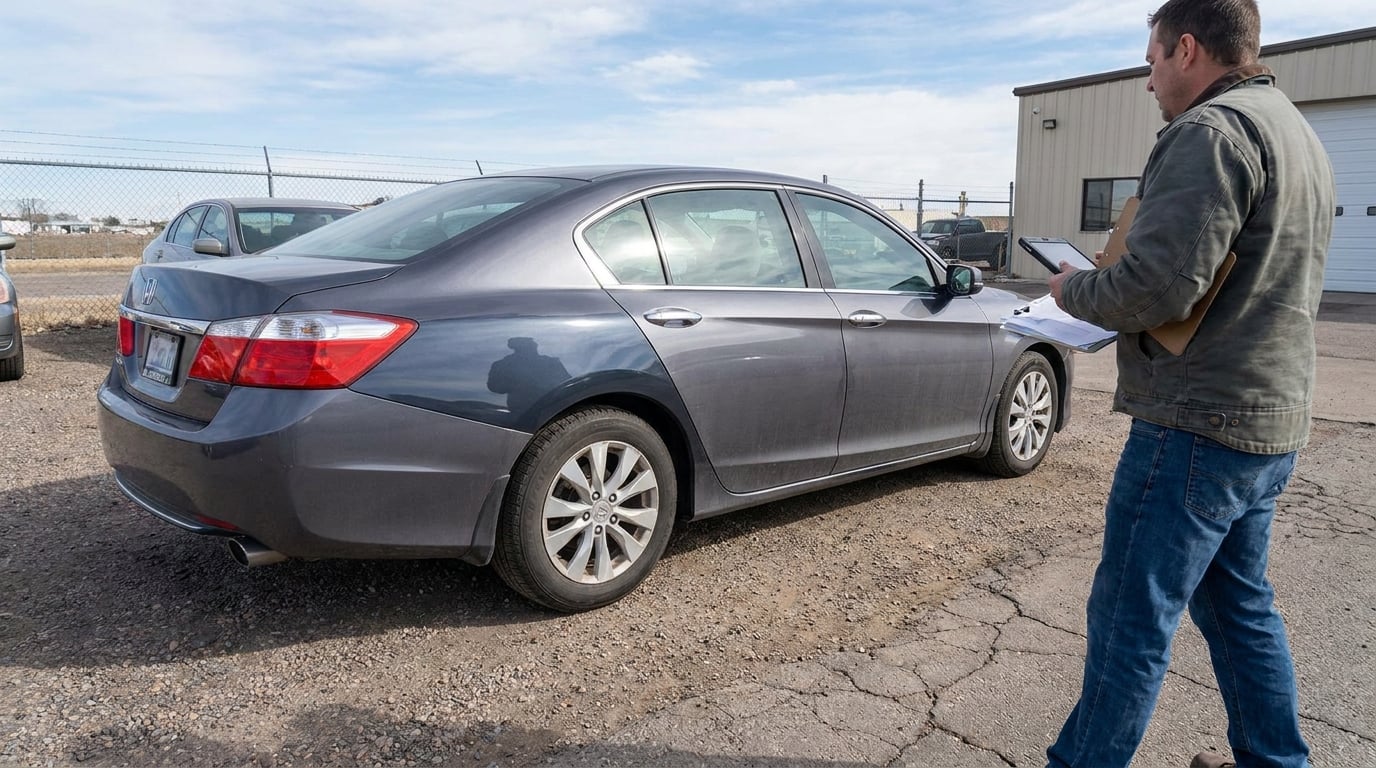
When Illinois Minimum Insurance Falls Short: Understanding Your Real Risk
Picture this: You’re driving through Chicago’s Loop when another driver runs a red light and T-bones your vehicle. The crash leaves you with serious injuries requiring surgery, months of physical therapy, and time off work. Then you discover the at-fault driver only carries Illinois’ minimum insurance of $25,000 for bodily injury—barely enough to cover your emergency room visit. This scenario plays out thousands of times across Illinois each year, leaving victims wondering how they’ll pay mounting medical bills when insurance falls short.
💡 Pro Tip: Document everything immediately after an accident—take photos, get witness information, and seek medical attention even for minor pain. This documentation becomes crucial if you need to pursue compensation beyond insurance limits.
Hit a roadblock with limited insurance after an accident? Don’t just go with the flow; let 844SeeMike (PI) guide you through your options to ensure you’re covered from bumper to bumper. Reach us at 312-786-4442 or simply contact us to explore pathways beyond policy limits.

Understanding Your Rights When a Car Accident Attorney Can Help Navigate Illinois Insurance Laws
Illinois requires all drivers to carry minimum liability insurance, but these state-mandated amounts often prove inadequate when serious injuries occur. When you’re injured by someone carrying only minimum coverage of $25,000 for one person or $50,000 for multiple injuries, understanding your legal rights becomes essential. A car accident attorney can evaluate whether pursuing additional compensation through the at-fault driver’s personal assets or your own underinsured motorist coverage makes sense for your situation.
The reality is that $25,000 won’t cover moderate to severe injuries. A single surgery can easily exceed $50,000, not including rehabilitation, lost wages, or pain and suffering. This gap between actual damages and available insurance creates complex legal situations where working with a car accident attorney becomes valuable. They can identify all potential sources of compensation, including umbrella policies, business insurance, or claims against multiple liable parties.
💡 Pro Tip: Review your auto insurance policy annually to ensure you have adequate uninsured/underinsured motorist coverage—this protection becomes your safety net when other drivers carry insufficient insurance.
The Step-by-Step Process After an Underinsured Driver Hits You
Understanding the timeline following an accident with an underinsured driver helps you protect your rights and maximize recovery. Illinois law provides specific deadlines that must be followed, and missing these dates could eliminate your ability to recover compensation beyond policy limits.
- Immediate aftermath (0-72 hours): Report the accident to police and your insurance company, seek medical treatment, and document all injuries
- First two weeks: Gather insurance information and confirm policy limits from the at-fault driver’s insurer
- 30-60 days: Your medical treatment progresses, revealing the true extent of injuries and costs
- 2-6 months: Insurance claim negotiations begin; explore additional options with legal counsel if coverage limits are insufficient
- Within 2 years: Illinois’ statute of limitations requires filing a lawsuit against the at-fault driver within two years of the accident date; claims under your own underinsured motorist policy are typically subject to a contractual deadline (often two years) set by the insurer
💡 Pro Tip: Keep a daily journal documenting your pain levels, medical appointments, and how injuries impact daily activities—this contemporaneous record strengthens your claim for damages.
Finding Solutions When Insurance Falls Short: How a Car Accident Attorney Maximizes Recovery
When facing mounting medical bills exceeding the at-fault driver’s insurance limits, several resolution pathways exist beyond accepting inadequate settlements. A car accident attorney can pursue compensation through multiple avenues, including negotiating with your own insurance company for underinsured motorist benefits, investigating whether the at-fault driver has attachable assets, or identifying additional liable parties. The team at 844SeeMike has extensive experience handling complex underinsured motorist claims throughout Illinois, understanding how to leverage every available resource to maximize client recovery.
Successfully resolving an underinsured motorist claim requires strategic thinking and thorough investigation. Your attorney will first exhaust the at-fault driver’s policy limits, then turn to your own underinsured motorist coverage if available. If gaps still exist, attorneys may pursue the at-fault driver’s personal assets, though this requires careful cost-benefit analysis since many drivers carrying minimum coverage have limited resources.
💡 Pro Tip: Before accepting any settlement offer, have an experienced attorney review your case—initial offers rarely account for future medical needs or the full extent of your damages.
The Hidden Costs of Serious Accidents: Why $25,000 Barely Scratches the Surface
Understanding the true financial impact of serious car accidents reveals why Illinois’ minimum coverage often leaves victims in dire straits. Medical costs represent just the beginning—victims face lost wages, ongoing therapy, medications, medical equipment, home modifications, and diminished earning capacity. When a car accident attorney evaluates your case, they consider both economic and non-economic damages that quickly exceed minimum policy limits.
Breaking Down Real Accident Costs in Illinois
Consider a moderate injury requiring surgery and three months of recovery. A moderate injury requiring surgery and three months of recovery might cost $30,000-$80,000 or more for the combined costs of emergency room treatment, surgery, and initial hospitalization, depending on the specific procedure and complications. Emergency room treatment alone typically costs $1,500-$3,000 on average, though it can reach $20,000+ for critical conditions requiring emergency surgery. Surgery and hospitalization costs vary widely depending on the procedure, typically ranging from $15,000-$35,000 for moderate surgeries with recovery, though complex procedures can exceed $50,000-$100,000. Simple surgeries may cost $4,000-$15,000, while major surgeries like heart bypass can cost $57,000-$123,000 or more. Physical therapy at $75-$150 per session, three times weekly for three months, accumulates approximately $2,700-$5,400. Lost wages for someone earning Illinois’ median household income of approximately $81,702 to $84,210 (as of 2023-2024) means $20,425 to $21,052 in lost income. These figures don’t include pain and suffering, permanent impairment, or future medical needs. That $25,000 minimum coverage appears woefully inadequate, highlighting why working with an IL Auto Accidents attorney becomes essential.
💡 Pro Tip: Request itemized bills from all medical providers and keep detailed records of every accident-related expense, including mileage to appointments—these costs add up and strengthen your damage claim.
Protecting Yourself: Essential Insurance Strategies for Illinois Drivers
While you cannot control whether other drivers carry adequate insurance, you can protect yourself and your family through smart insurance choices. Illinois personal injury attorneys consistently recommend carrying uninsured/underinsured motorist coverage at levels matching or exceeding your liability limits.
Building Your Insurance Safety Net
Creating comprehensive protection involves layering coverage strategically. Start with liability limits above Illinois minimums—consider at least $100,000/$300,000 for bodily injury and $100,000 for property damage. Add uninsured/underinsured motorist coverage at the same levels. Medical payments coverage provides immediate treatment funds regardless of fault, while comprehensive and collision coverage protects your vehicle. Consider an umbrella policy providing $1 million or more in extra liability coverage for modest premiums.
💡 Pro Tip: Review coverage limits annually and after major life changes like marriage, home purchases, or income increases—your insurance needs evolve with your financial situation.
Frequently Asked Questions
Common Concerns About Underinsured Driver Accidents
Illinois drivers frequently struggle with questions about insurance coverage and their options after accidents with underinsured motorists. Understanding these issues before an accident occurs helps you make better decisions.
💡 Pro Tip: Save these answers and review them with your insurance agent to ensure your coverage adequately protects you and your family.
Navigating the Legal Process and Recovery Options
The path forward after an underinsured driver accident depends on available insurance, asset investigation results, and injury severity. Understanding this process helps set realistic expectations for recovery.
💡 Pro Tip: Create a dedicated email address for all accident-related communication to keep important documents organized and accessible throughout your claim.
1. What happens if my medical bills exceed the at-fault driver’s $25,000 minimum coverage in Illinois?
When medical bills surpass the at-fault driver’s policy limits, you have several options. First, file a claim with your own uninsured/underinsured motorist coverage if available. Second, your health insurance or medical payments coverage may cover immediate costs. Third, you might pursue the at-fault driver’s personal assets, though this requires legal guidance. An Auto Accidents lawyer in IL can evaluate all options and develop a strategy to maximize recovery beyond inadequate insurance limits.
2. How long do I have to file an IL Auto Accidents lawsuit for additional compensation?
Illinois law provides a two-year statute of limitations for personal injury claims against at-fault drivers from car accidents. Underinsured motorist (UM/UIM) claims with your own insurer are typically governed by contractual deadlines set by the insurance policy—often two years—and Illinois courts have upheld such contractual limitations as enforceable. However, insurance policies often contain shorter notice requirements, sometimes as brief as 30 days. Missing these deadlines can eliminate your right to compensation, making prompt legal consultation essential.
3. Can I recover compensation if the at-fault driver only has minimum insurance but owns a home or other assets?
Yes, pursuing personal assets remains an option when insurance proves insufficient, but success depends on multiple factors. Your attorney will investigate whether the at-fault driver owns attachable assets like real estate, vehicles, or bank accounts. However, many assets enjoy legal protections, and collecting judgments can prove challenging. The cost and time involved must be weighed against potential recovery.
4. Will my own insurance rates increase if I file an underinsured motorist claim in Illinois?
Illinois law does not explicitly prohibit insurance companies from raising rates after filing an uninsured or underinsured motorist claim, though many insurers may choose not to increase premiums for such claims since they do not reflect fault on the policyholder’s part. These coverages exist specifically to protect you from other drivers’ inadequate insurance. However, insurers may still consider overall claim frequency during renewal. Document the other driver’s fault clearly and work with your attorney to ensure proper claim categorization.
5. Should I accept the at-fault driver’s $25,000 policy limits, or hold out for more compensation?
This decision requires careful analysis with qualified legal counsel. Accepting policy limits quickly might make sense if the driver lacks assets and you need immediate treatment funds. However, premature settlement could forfeit rights to additional compensation through your own underinsured coverage or other sources. Never accept any settlement without understanding its full implications and having an attorney review all available policies and potential recovery sources.
Work with a Trusted Auto Accidents Lawyer
When Illinois’ minimum insurance requirements leave you facing financial hardship after an accident, experienced legal representation becomes invaluable. An attorney well-versed in Illinois auto insurance laws can identify every potential source of compensation, negotiate aggressively with insurance companies, and pursue creative solutions when traditional insurance falls short. They understand the interplay between different coverage types, know which assets are attachable in Illinois, and can accurately value your claim beyond initial medical bills. Most importantly, they level the playing field against insurance companies focused on minimizing payouts. If you’re struggling with medical bills after an accident with an underinsured driver, seeking legal consultation helps you understand all available options for recovery.
Running into a bump with minimum coverage? It’s time to pave the way to proper protection. Reach out to 844SeeMike (PI) at 312-786-4442 or contact us and let us lighten your load by exploring other avenues to shield you from unforeseen costs.