Among the 206 bones in the adult body, the clavicle, commonly known as the collarbone, is widely considered the weakest bone based on its anatomical structure, position, and how often it fractures. It sits just under the skin with little to protect it, so it tends to be the first thing to give way in a fall or a crash.
The human skeleton is a marvel of engineering: robust, resilient, and built to support your frame, protect vital organs, and let you move. Some bones, like the femur and the humerus, are notably strong. Others, like the clavicle, are remarkably delicate and vulnerable to injury. If you or a loved one broke a bone in an accident that was not your fault, the team at 844-SEE-MIKE can review what happened for free.
Factors Affecting Bone Strength and Weakness
Bone fractures can be painful. To understand what makes a bone prone to break, it helps to consider a few biomechanical and physiological factors:
- Density and composition: bones that are less dense or hold more spongy (cancellous) bone break more easily
- Anatomical position: bones in areas of high mechanical stress or exposure are more vulnerable
- Load-bearing capacity: some bones withstand considerable pressure, while others cannot
- Bone health issues: arthritis or a deficiency of key vitamins and minerals can leave bones brittle
- Common fracture rates: how often a bone breaks in clinical practice is itself a marker of structural weakness
While the small bones in the hands, feet, or ears may seem like natural candidates for weakest given their size, they are surprisingly resilient for their design and function. The clavicle stands out instead as the bone that is both structurally weaker and more commonly fractured, especially under direct or indirect trauma.
Why the Clavicle is the Weakest Bone in the Body
Anatomical Position and Exposure
The clavicle is a slender, S-shaped bone that connects the sternum (breastbone) to the scapula (shoulder blade). It works as a strut between the arm and the axial skeleton, giving it a key role in shoulder mobility and upper-body stability. Its position, though, makes it uniquely exposed:
- It lies just beneath the skin with minimal soft-tissue coverage
- It is usually the first point of contact in falls or impacts
- It sits at a mechanical junction where force transfers from the arm to the torso
Structural Limitations
Unlike many load-bearing bones, the clavicle has a thin cortical shell and contains more cancellous bone (spongy bone), which is not as strong as denser compact bone. Its natural curve can also make it more susceptible to stress fractures or breaks under lateral forces. On top of that, the clavicle lacks the surrounding muscle bulk that might otherwise cushion or stabilize it during trauma, which is why it is often called the weakest and softest bone in the body.
Fracture Rates and Mechanism of Injury
Clavicle or collarbone fractures account for roughly 5% of all adult fractures and up to 44% of shoulder-girdle fractures. Common causes include:
- Falling directly onto the shoulder or an outstretched hand
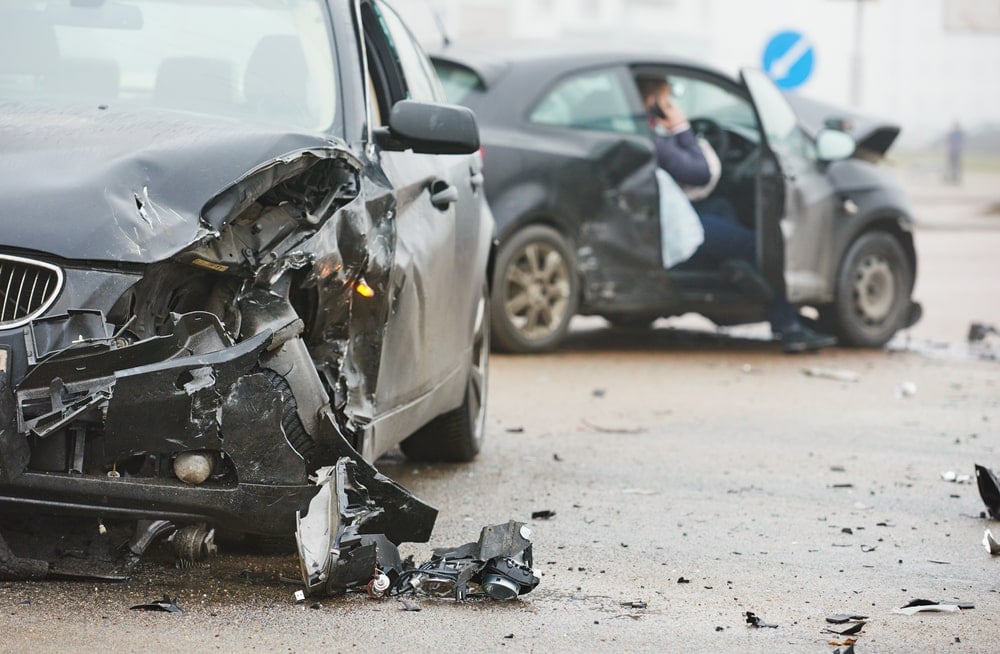
- Car accidents, especially for unrestrained passengers
- Sports injuries, particularly in contact sports like football, hockey, and wrestling
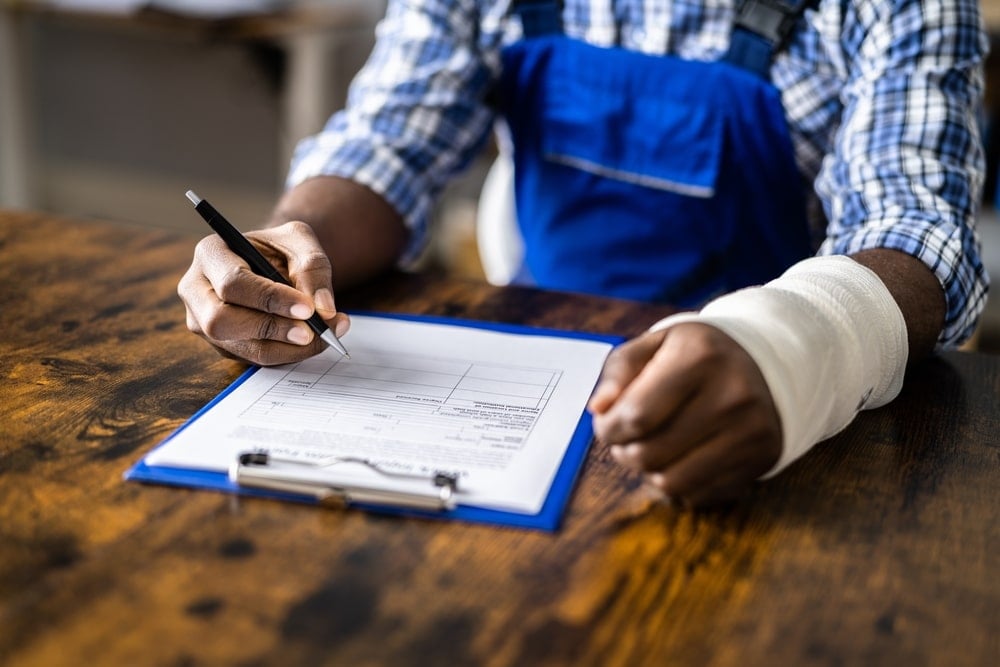
These injuries can lead to visible deformity, limited arm movement, and significant pain. A collarbone broken in a car accident can also keep you off work while you heal.
Other Notable “Weak” Bones in the Body
While the clavicle holds the top spot for weakness and susceptibility to injury, a few other bones are worth mentioning:
Nasal Bone
The nasal bone is one of the most frequently fractured bones in the face because of its prominent, unprotected position. It is not structurally weak, though. Its high fracture rate has more to do with exposure than with inherent fragility.
Lacrimal Bone
The smallest and one of the most fragile bones in the body, the lacrimal bone sits in the eye socket. It is delicate but deeply embedded in the skull, which makes it less prone to fracture under normal conditions.
Hyoid Bone
Floating in the neck, the hyoid bone supports the tongue and is shielded by surrounding tissue. It is rarely injured except under exceptional trauma, such as strangulation.
Stapes
Tucked deep in the middle ear, the stapes is the smallest and most delicate bone in the body, at roughly three millimeters long. This is why some sources point to it as the “weakest” bone. In practice it almost never breaks, because it is safely hidden inside the skull rather than exposed to impact the way the clavicle is.
Clavicle Fracture Classifications and Recovery
Clavicle fractures are typically classified into three types based on where the break occurs:
Type I: Middle Third Fracture (Most Common)
- Occurs in the midshaft of the bone
- Generally caused by direct trauma or falls
- Treatment: non-surgical management using a sling or figure-of-eight brace is common
- Recovery time: 6 to 8 weeks for minor cases, 12+ weeks with significant displacement
- Work downtime: sedentary work may resume in 2 to 3 weeks, physical labor may require 6 to 8 weeks or more
Type II: Lateral Third Fracture
- Involves the outer end of the clavicle, closer to the shoulder
- Higher risk of non-union because of muscle pull
- May require surgical fixation
- Recovery time: 8 to 12 weeks, longer if surgery is involved
- Work downtime: 4 to 12 weeks, depending on occupation
Type III: Medial Third Fracture
- Occurs near the sternum
- Rare, but often tied to high-impact trauma
- May be associated with chest injuries
- Recovery time: 8 to 12 weeks or more
- Work downtime: highly variable, especially if complications arise
Long-Term Complications of Clavicle Fractures
Even though most clavicle fractures heal well with conservative treatment, potential complications include:
- Non-union or malunion: improper healing can lead to shoulder dysfunction or deformity
- Neurovascular damage: though rare, the brachial plexus and subclavian vessels lie beneath the clavicle and can be injured
- Post-traumatic arthritis: especially in cases involving the sternoclavicular or acromioclavicular joints
For athletes and manual laborers, these complications can have lasting consequences for performance and function.
Preventing Clavicle Injuries: Is It Possible?
Fully preventing broken bones is not always possible given these anatomical vulnerabilities, but you can lower the risk by:
- Wearing protective gear in sports (shoulder pads in football or hockey, for example)
- Using seat belts properly in vehicles
- Following fall-prevention strategies, particularly for older adults
- Making sure there are safe working conditions on construction sites and in physically demanding jobs
Can You Strengthen the Clavicle?
Unlike muscles, bones cannot be “strengthened” through direct training, but bone density can be improved through:
- Weight-bearing exercise
- Adequate calcium and vitamin D intake
- Avoiding smoking and excessive alcohol
- Managing hormonal health, especially in postmenopausal women
Even so, the clavicle’s structural role and exposure mean it will stay vulnerable in many high-impact situations.
Role of Other Bones in the Body
The thigh bone, also known as the femur, is the longest and strongest bone in the human body, supporting your weight and mobility. Like other long bones such as the upper arm bone (humerus) and shin bone (tibia), it holds bone marrow, which produces red blood cells and white blood cells.
At the other end of the scale, the inner ear houses some of the tiniest bones in the body, including the stapes, the smallest bone and the only one involved in hearing. Together they show the contrast between the strongest and weakest bones in size and function.
When a Broken Collarbone Comes From an Accident
A collarbone fracture from a crash, a fall on someone else’s property, or an unsafe job site can mean emergency care, follow-up appointments, time in a sling, and weeks away from work. When another party’s carelessness caused the injury, you may be able to recover money for medical bills, lost wages, and pain. You can get a rough sense of what a claim might be worth with our injury settlement calculator, and remember that every case is different and past results never guarantee a future outcome.
Frequently Asked Questions
What is the weakest bone in your body?
The clavicle, or collarbone, is generally considered the weakest bone in the body. It is thin, sits just under the skin with little protection, and is one of the most commonly fractured bones, especially in falls, sports, and car accidents.
What is the smallest and most delicate bone in the body?
The stapes, deep in the middle ear, is the smallest bone in the body at about three millimeters. It is extremely delicate, which is why some people call it the weakest, but it rarely breaks because it is hidden inside the skull.
What is the strongest bone in the body?
The femur, or thigh bone, is the longest and strongest bone in the human body. It supports your body weight and can withstand significant force before it fractures.
How long does a broken collarbone take to heal?
Most minor clavicle fractures heal in about 6 to 8 weeks with a sling or brace. Fractures with significant displacement, or those needing surgery, can take 12 weeks or more, and physical labor may require an even longer break from work.
Can you get compensation for a broken collarbone from an accident?
Possibly. If someone else’s negligence caused the injury, you may be able to recover money for medical costs, lost income, and pain. The team at 844-SEE-MIKE can review your situation and explain your options at no cost.
If Your Collarbone Broke in an Accident
If a crash, fall or job accident broke your collarbone, we will look at what treatment and missed work have cost and who should pay.
No fee unless we win.