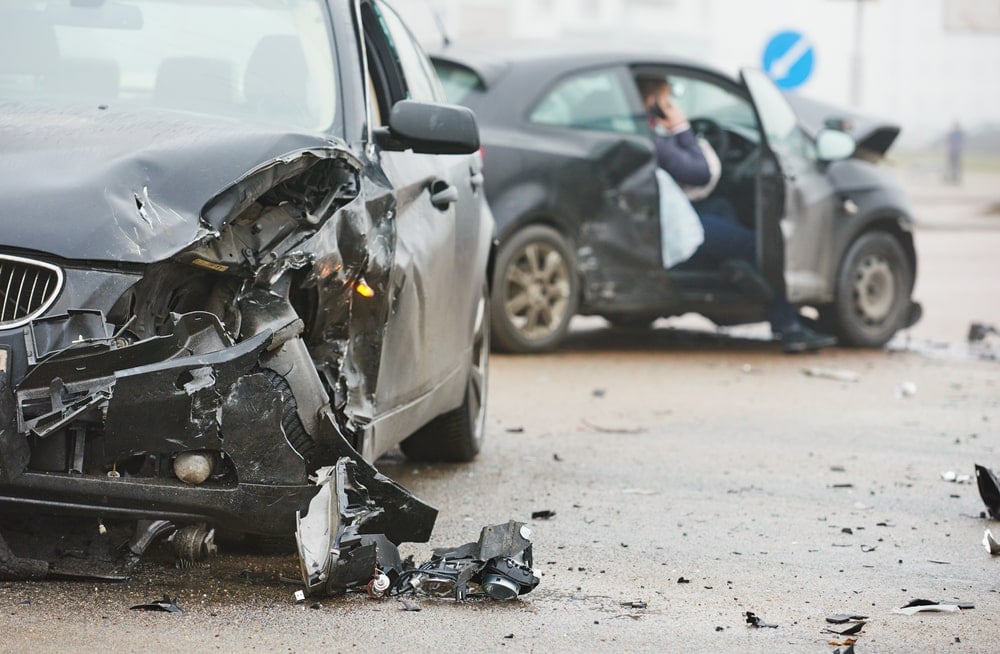
The most frequent type of accident on an interstate highway is a rear-end collision, where one vehicle strikes the back of the vehicle ahead. Rear-end crashes are the single most common type of collision on U.S. roads, according to the National Highway Traffic Safety Administration (NHTSA). High speeds, sudden stops, dense traffic, and distracted driving make them especially common on interstates, where a moment of inattention at 70 mph leaves little room to react.
If you were hurt in a crash on I-90, I-94, I-55, I-80, or any Illinois interstate, understanding how these collisions happen and what to do next can protect both your safety and your right to compensation.
Key Takeaways
- Rear-end collisions are the most frequent type of accident on interstate highways
- Distracted driving, speeding, tailgating, and abrupt traffic slowdowns are the leading contributors
- Side-impact crashes during lane changes at highway speed are another common interstate collision
- In Illinois you generally have two years from the crash date to file an injury claim, and only one year when a local government is responsible
- 844-SEE-MIKE reviews interstate accident cases for free and charges nothing unless you recover

Types of Accidents on Interstates
Interstate highways carry huge volumes of traffic at high, sustained speeds. That combination produces a handful of crash types that show up again and again. Knowing which ones are most common helps drivers anticipate risk and helps injured people understand what happened to them.
Rear-End Collisions
Rear-end collisions are the most frequent type of accident on interstate highways. They typically happen when the vehicle in front slows or stops suddenly and the trailing driver fails to keep a safe following distance or react in time. Sudden congestion, brake-checking, and distracted driving all feed the problem. At interstate speeds, even a brief lapse can close the gap between cars before a driver can respond. Keeping several seconds of space from the car ahead is the simplest way to cut the risk of a rear-end crash.
Changing Lanes and Side-Impact Crashes
When drivers change lanes on the interstate, the risk of a side-impact crash rises. These collisions often occur when a driver misses a blind spot or fails to signal. Side-impact crashes, sometimes called T-bone accidents, can cause serious injuries at the high speeds common on freeways. Consistent mirror checks, blind-spot awareness, and turn signals before every lane change go a long way toward preventing them.
What the Crash Data Shows
Rear-end collisions are the most frequently occurring crash type in the country, per NHTSA’s analysis of rear-end crashes. Interstates concentrate the exact conditions that drive those numbers: heavy volume, sustained high speed, and abrupt stop-and-go flow near merges, exits, and work zones.
Location matters too. The Federal Highway Administration (FHWA) reports that roughly one-quarter of traffic fatalities and about half of all traffic injuries in the United States are tied to intersections. Interstates are built to remove that danger through controlled access, no cross traffic, and median barriers, which is why crashes there tend to be rear-end and lane-change collisions rather than the angle crashes seen on surface streets. Those same design features do not erase risk, but they shape the kind of accidents that happen.
Factors Contributing to Interstate Accidents
Interstate highways present unique risks because of high speed limits and dense traffic. The factors below drive most serious crashes.
Distracted Driving
Distracted driving ranks among the top causes of interstate accidents. Despite years of safety campaigns and laws, drivers still text, make calls, eat, and interact with in-vehicle screens behind the wheel. A distracted driver is far less likely to notice slowing traffic in time to brake or steer clear, which is exactly how rear-end and chain-reaction crashes start on the freeway.
Speed and Traffic Flow
The link between speed and crash severity is well documented. On interstates, higher speeds lead to more severe collisions and longer stopping distances. Steady traffic flow also matters. When drivers brake hard or dart between lanes, they create sudden disruptions that ripple backward and trigger multi-vehicle pileups. Observing posted limits and avoiding abrupt lane changes keeps traffic predictable and reduces the risk of a crash tied to speeding.
What to Do After an Interstate Accident in Illinois
The steps you take after a crash protect your safety and your claim. If you can do so safely, move to the shoulder, turn on your hazard lights, and stay clear of live lanes to avoid a secondary collision.
Exchange Information and Document the Scene
Exchange names, phone numbers, addresses, driver’s license numbers, and insurance details with every driver involved. Keep the conversation calm and avoid admitting fault. Photograph the vehicles, the roadway, skid marks, and any visible injuries, and collect contact information from witnesses while memories are fresh.
Call the Police and Get Medical Care
Call the police so an official report is filed. That report captures driver and witness statements and the officer’s assessment of the scene, and it becomes important evidence for insurance and any injury claim. Request the report number and a copy. Seek medical attention promptly even if you feel fine, because injuries like whiplash and concussions often surface hours or days later. Prompt records also connect your injuries to the crash.
Know Your Deadline
Illinois gives most injured people two years from the date of the crash to file a personal-injury lawsuit (735 ILCS 5/13-202). When a local public entity is responsible, such as a municipal truck or a village-owned vehicle, that window shrinks to one year (745 ILCS 10/8-101). Waiting can cost you the claim entirely, and evidence fades long before the deadline, so it is wise to speak with an Illinois car accident lawyer early.
Frequently Asked Questions
What is the most frequent type of accident on an interstate highway?
The most frequent type of accident on an interstate highway is a rear-end collision. These crashes happen when one vehicle strikes the back of another, usually after a sudden slowdown combined with tailgating or distraction. NHTSA identifies rear-end collisions as the most common crash type on U.S. roads.
Where do highway accidents occur most frequently?
On surface roads, crashes cluster at intersections, which the FHWA links to about a quarter of traffic deaths and half of traffic injuries nationally. On interstates, which are built without at-grade intersections, crashes cluster instead near merges, exits, lane changes, and stop-and-go traffic, and most are rear-end or side-impact collisions.
Why are rear-end collisions so common on interstate highways?
High, sustained speeds leave little margin for error, and traffic can slow without warning near ramps and work zones. Add distracted driving and following too closely, and drivers run out of stopping distance before they can react. Those conditions together make rear-end crashes the most common interstate accident.
Who is at fault in an interstate rear-end accident?
The trailing driver usually draws the blame, since Illinois requires drivers not to follow another vehicle more closely than is reasonable and prudent for the speed and road conditions (625 ILCS 5/11-710). That is not an automatic finding of fault, though. A lead driver who brake-checks, cuts in abruptly, or drives with broken tail lights may share responsibility. Illinois uses modified comparative negligence, so fault can be divided, and you recover nothing if you are found more than 50% to blame (735 ILCS 5/2-1116).
How long do I have to file a claim after an Illinois interstate crash?
In most cases you have two years from the date of the crash to file a personal-injury claim in Illinois (735 ILCS 5/13-202). Shorter deadlines apply in some situations, including one year when a local public entity is responsible (745 ILCS 10/8-101), so it is best to confirm yours with a lawyer as soon as possible.
Hit on an Illinois Interstate
If a rear-end or lane-change crash hurt you on the interstate, we will check who followed too closely and whether a commercial truck was involved.
This article is general information about interstate accidents in Illinois and is not legal advice for any specific case.