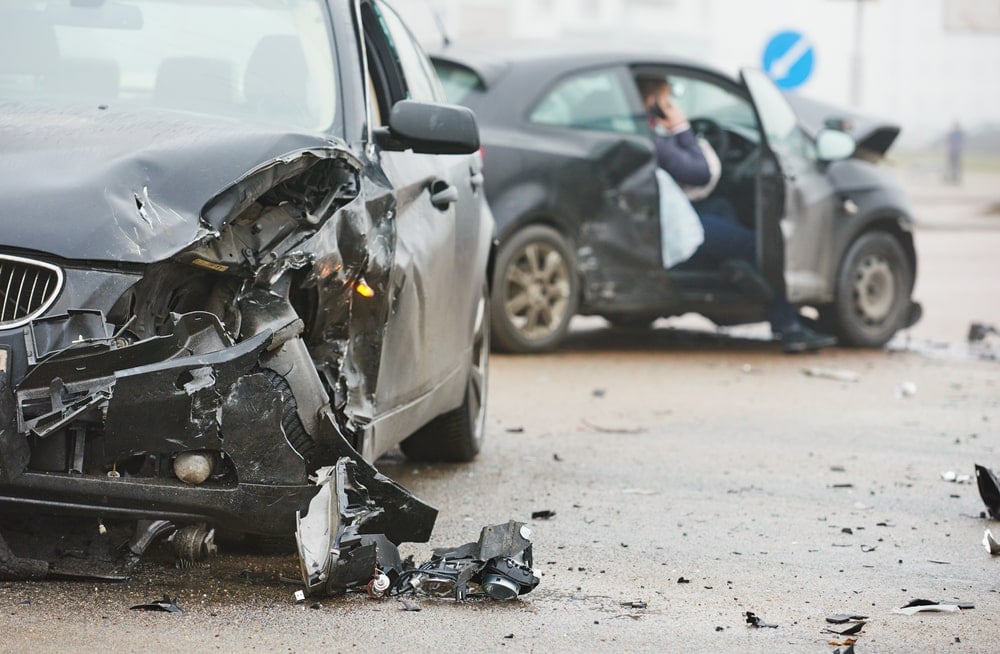
Neither lane filtering nor lane splitting is authorized in Illinois. Riding between lanes of stopped or moving traffic falls outside the state’s lane-use and passing rules, and if a crash follows, the other driver’s insurer will use it to push fault onto you. Knowing where the line sits matters, because the maneuver can cost you a ticket and a share of your recovery. If you have been injured, it is worth talking to an Illinois motorcycle crash law firm early.
Lane Filtering vs. Lane Splitting vs. Lane Sharing
Before getting into the specifics of motorcycle lane use under Illinois law, it helps to separate three terms that get used interchangeably:
- Lane Filtering: Motorcyclists navigating between lanes of slow-moving or stopped traffic, typically at intersections or in congested areas
- Lane Splitting: The continuous movement of motorcyclists between lanes of moving traffic, generally at higher speeds
- Lane Sharing: Two motorcycles riding side by side in the same lane, also known as two-abreast riding, which Illinois neither authorizes nor forbids
Riders often ask: Is motorcycle lane splitting or filtering legal in Illinois? The answer is no. While some states permit or tolerate lane filtering in certain conditions, neither maneuver is authorized anywhere in Illinois. If you split or filter lanes and it leads to a lane splitting motorcycle accident, you may carry a share of the liability in your motorcycle accident injury claim.

Is Lane Filtering or Lane Splitting Legal in Illinois?
Current Legal Status
Lane filtering and lane splitting are not legal in Illinois. Illinois does not have a statute that expressly authorizes motorcyclists to ride between lanes of same-direction traffic, and two provisions leave no room for it. The Illinois Vehicle Code requires every vehicle to be driven as nearly as practicable entirely within a single lane (625 ILCS 5/11-709(a)), and a separate section governs how all vehicles, motorcycles included, must overtake and pass (625 ILCS 5/11-703).
Under Section 11-703(a), a driver overtaking another vehicle proceeding in the same direction must pass to the left at a safe distance and may not return to the right until safely clear. Section 11-703(c) adds a restriction that applies only to two-wheeled vehicles: while passing on the left of a same-direction vehicle, the driver of a two-wheeled vehicle may not at the same time pass on the right of another same-direction vehicle unless an unobstructed lane is available. Because lane splitting and filtering involve threading between vehicles occupying adjacent lanes, they fall outside what these sections allow. Illinois law requires motorcycles to follow the same traffic regulations as other motor vehicles, which means they cannot bypass traffic congestion by moving between lanes.
This applies statewide, not just in urban areas. Whether you are on Lake Shore Drive, Interstate 55, or a rural two-lane road, the same Illinois Vehicle Code governs your conduct, and no unit of local government, including a home rule unit, may regulate motorcycles in a manner inconsistent with the Code (Section 11-208(e)).
Consequences of Lane Filtering and Splitting in Illinois
Motorcyclists caught lane filtering or splitting may face the following consequences:
- Traffic citations and fines, which vary with the seriousness of the violation
- Points on your license, since Illinois uses a point system that can drive up premiums and lead to suspension
- A larger share of fault in a crash, which cuts directly into what you can recover
- Greater injury risk, since motorcycles are already the most exposed vehicles on the road and filtering puts you where drivers are not looking
As for how these violations are classified, the general overtaking and passing provisions in 625 ILCS 5/11-703(a)-(c), the provisions relevant to lane splitting, are not assigned a specific penalty within Section 11-703 and therefore fall under the general petty offense provision in Section 11-202, which makes it a petty offense to do any act forbidden in Chapter 11 unless the Code declares otherwise. The Class A misdemeanor penalty referenced in 11-703(f) applies to violations of subsection (e), which concerns recklessly driving unnecessarily close to a bicyclist or other vulnerable road user. If such a violation results in great bodily harm or permanent disability or disfigurement, it can escalate to a Class 3 felony. Illinois does not use a “Class C felony” classification.
A conviction can appear on your record and affect insurance rates, and repeated violations may lead to license suspension or other administrative penalties. If lane splitting causes or contributes to a collision, you may also face additional liability in a civil lawsuit.

Is Lane Sharing Allowed in Illinois?
Two motorcycles riding side by side in one lane sits in a different category from filtering and splitting. The Illinois Vehicle Code does not authorize two-abreast riding and does not prohibit it either. It is not treated as illegal and riders do it every day, but there is no statute to point to in its defense, which matters if a citation or a fault dispute follows.
The section riders are usually pointed to, 625 ILCS 5/11-703, does not address two-abreast riding at all. Subsection (c) limits when a two-wheeled vehicle passing on the left may also pass on the right, and subsection (d) is a rule for motor vehicles overtaking a bicycle or an individual, requiring a lane change where practicable and otherwise a distance of at least 3 feet, with subsection (d-5) allowing the pass in a no-passing zone when conditions permit. Neither one permits lane sharing. The single-lane requirement in 625 ILCS 5/11-709(a) still applies to both riders, so a pair riding abreast has less room for error than either would alone.
Key Points About Lane Sharing in Illinois
- No Statute Either Way – Illinois has no provision authorizing two motorcyclists to share a lane and none prohibiting it, so it is neither protected nor banned.
- Not Allowed for Cars and Motorcycles – A motorcycle cannot share a lane with a car or other larger vehicle, which is a passing violation under Section 11-703.
- Three Abreast Has No Cover – Packing a third rider into one lane has no legal basis and is a straightforward lane-discipline problem.
- Safety Considerations – The Illinois Motorcycle Operator Manual advises riders to use a full lane and not to “pair up” or operate directly alongside another rider. Riders who do share a lane need to trust each other’s habits completely.
Can Motorcyclists Use the Shoulder to Bypass Traffic?
No, motorcyclists cannot use the shoulder to bypass traffic in Illinois. Under 625 ILCS 5/11-709.1, titled Driving on the shoulder, vehicles must be driven on the roadway and may use the shoulder only to stop or to accelerate when merging into traffic, and not to pass other vehicles while doing so. The section carves out authorized emergency vehicles, authorized transit buses, bicycles, farm and highway maintenance equipment, and vehicles authorized in construction zones. A motorcycle is none of those.
Since the shoulder is not part of the roadway for this purpose, using it to get past stopped traffic is a violation on its own, separate from any filtering question. Section 11-703(d) is worth knowing for the same stretch of pavement: when any motor vehicle overtakes a bicycle or an individual traveling in the same direction, it must change lanes where practicable and otherwise leave at least 3 feet.
How Lane Splitting Affects a Motorcycle Accident Claim in Illinois
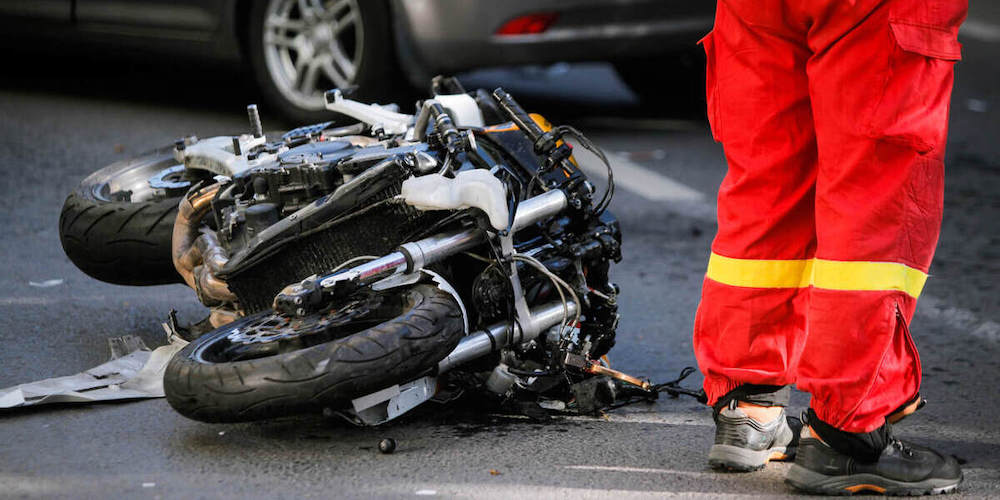
If you were lane splitting at the time of a crash, the other driver’s insurance company will almost certainly use that fact against you. Illinois follows a modified comparative negligence system under 735 ILCS 5/2-1116, meaning a motorcyclist found partially at fault can still recover damages, but only if their fault is not more than 50%. If your fault exceeds that threshold, you may be barred from recovering compensation entirely.
This does not mean a lane-splitting motorcyclist automatically loses their claim. The at-fault driver may still bear significant responsibility. For instance, if a car driver made an unsafe lane change without signaling and struck a motorcyclist, the car driver’s negligence could outweigh the motorcyclist’s traffic violation. Courts examine the totality of circumstances, and fault allocation is often fact-intensive. You can review how comparative negligence laws work across the country.
Surviving the fault fight is only half of it, because the filing clock runs whatever the fault picture looks like. Most Illinois personal-injury claims have to be filed within two years of the crash (735 ILCS 5/13-202). One year is the limit when the claim is against a local public entity or its employee (745 ILCS 10/8-101), and that catches a lot of filtering cases, since congested city traffic is where Pace and CTA buses, village squad cars, and municipal trucks are. Find out who owned the other vehicle early, because that answer decides which deadline you are living under.
Understanding Fault Allocation in Motorcycle Cases
Illinois courts consider multiple factors when dividing fault between parties in a motorcycle collision, including each driver’s speed, lane position, use of turn signals, sobriety, and compliance with traffic laws. A motorcyclist’s decision to lane split is one factor, but does not automatically make the rider majority at-fault.
| Factor | How It May Affect Fault |
|---|---|
| Lane splitting by motorcyclist | May increase rider’s percentage of fault |
| Failure to signal by car driver | May increase car driver’s fault |
| Speeding by either party | Can shift fault toward the speeding party |
| Distracted driving (e.g., phone use) | Strong evidence of negligence by that driver |
| Road conditions or visibility | Courts may consider environmental factors |
The Real Safety Risks Behind Lane Splitting Laws
Lane splitting restrictions exist for a reason: motorcyclists face significantly higher crash risks than other motorists. Riders are nearly 5 times more likely to be injured per mile traveled than passenger car occupants. According to NHTSA’s motorcycle safety data, motorcyclists are overrepresented in fatal traffic crashes. In 2023, there were 6,335 motorcyclists killed in the United States, representing 15% of all traffic fatalities and marking the highest number since at least 1975. Per mile traveled, motorcyclist deaths in the U.S. are nearly 28 times the number of deaths among car occupants.
Why Other Drivers May Not See You
Motorcycles occupy a smaller visual profile than cars and trucks, making them easier to overlook in mirrors and blind spots. When a rider is moving between lanes, the risk of a driver failing to notice them increases substantially. Even in states where lane splitting is legal, safety organizations recommend doing so only in slow-moving traffic and at speeds no more than 10 mph faster than surrounding vehicles. In Illinois, because the practice is not authorized, the safest approach is to avoid it altogether.
Arguments For and Against Legalizing Lane Filtering in Illinois
Arguments in Favor of Lane Filtering
Motorcycle advocacy groups and some transportation experts argue that lane filtering should be legalized in Illinois for the following reasons:
- Traffic Congestion Reduction: Allowing motorcyclists to filter through stopped traffic can help alleviate congestion, leading to smoother traffic flow for all motorists.
- Reduced Rear-End Collisions: Motorcyclists are often at risk of being rear-ended in stop-and-go traffic. Lane filtering can provide an escape route, reducing such accidents.
- Environmental Benefits: Motorcycles spend less time idling in traffic, reducing emissions and fuel consumption.
- Precedents from Other States: States including Utah, Arizona, Montana, and Colorado have adopted lane filtering laws, citing safety benefits and traffic efficiency.
Arguments Against Lane Filtering
Opponents of lane filtering cite various safety and enforcement concerns, including:
- Driver Awareness Issues: Many drivers are unaccustomed to motorcycles weaving through lanes, increasing the risk of side-impact collisions.
- Enforcement Challenges: Distinguishing legal filtering from illegal lane splitting can be difficult, leading to inconsistent enforcement.
- Potential for Road Rage: Some drivers may react aggressively when motorcyclists pass them in slow-moving traffic.
- Safety Concerns: In dense traffic, motorcycles may have limited maneuverability, increasing the risk of collisions with opening car doors or lane-changing vehicles.
Legislative Efforts on Lane Filtering in Illinois
Illinois has not legalized lane filtering, and no lane-filtering law is in effect today. Motorcycle advocacy groups continue to press for a change, and the states that have legalized filtering have generally built their laws around the same conditions:
- Filtering allowed only at intersections or in stopped traffic
- A low speed cap for the filtering rider, often around 15 mph
- Roads with two or more lanes in the same direction
Until Illinois adopts something along those lines, filtering remains unauthorized here. Riders who want the law changed are better off tracking the issue through an advocacy group than assuming a proposal has passed.
What Should Illinois Motorcyclists Do?
Until Illinois enacts any new laws regarding lane filtering, motorcyclists should ride to the current rules. Here are some key recommendations:
- Obey Traffic Laws: Avoid lane filtering and splitting, stay off the shoulder, and follow standard lane-usage rules.
- Wear a Helmet and Protective Gear: While Illinois has no helmet law, use a DOT-approved helmet and increase your visibility with bright, reflective gear. A heavy jacket, gloves, and pants can help if a fall occurs.
- Make Eye Contact and Stay Visible: When passing another vehicle, try to ensure the other driver sees you, and use proper lighting to remain visible in traffic.
- Use Defensive Riding Techniques: Anticipate driver movements and be prepared for sudden lane changes.
- Know What to Do If You Get Into an Accident: Call the police so they create a report, seek immediate medical attention even if you feel uninjured, and gather any evidence, such as witness statements, that shows you were not splitting lanes.
- Advocate for Change: If you support lane filtering, consider joining motorcycle advocacy groups to promote legislative changes.
How Our Illinois Motorcycle Accident Lawyer Will Prove Liability of the Negligent Driver
When a negligent driver and their insurance company try to shift the blame onto you by falsely claiming that you were lane filtering, our Illinois motorcycle accident attorneys at 844-SEE-MIKE can push back with evidence that speaks to what actually happened.
Traffic Camera and Surveillance Footage
Video from nearby traffic cameras, businesses, and dashcams can show the accident sequence and answer a false allegation of lane filtering. This footage is often overwritten within days, so early legal representation following a motorcycle accident is what makes it possible to collect and preserve it.
Eyewitness Testimony
Independent witnesses can provide crucial testimony regarding the driver’s behavior, such as speeding, distracted driving, or unsafe lane changes that led to the lane filtering or lane splitting accident.
Police Reports and Officer Testimony
The official police accident report may contain vital details about who was at fault, road conditions, and any citations issued to the negligent driver. Where it matters, the responding officer can be subpoenaed to testify.
Accident Reconstruction Analysis
Accident reconstruction experts analyze skid marks, impact points, and vehicle damage, and their analysis can carry real weight on the question of where each vehicle was in the lane at the moment of impact.
Medical Records and Helmet Cam Footage
Your medical records establish the severity of your injuries, and helmet camera footage, if available, may serve as direct evidence of the crash. You should seek medical treatment urgently following a motorcycle accident for your safety, as well as for a legal perspective.
What Compensation May Be Available
Injured motorcyclists may be entitled to recover damages for a range of losses, which can include:
- Medical expenses, including emergency care, surgeries, rehabilitation, and ongoing treatment
- Lost wages and diminished earning capacity
- Pain, suffering, and emotional distress
- Property damage to the motorcycle and riding gear
Keep detailed records of every medical appointment, prescription, and out-of-pocket expense. Thorough documentation strengthens your motorcycle accident claim and helps your attorney calculate the full value of your damages.
Frequently Asked Questions
Is lane splitting legal anywhere in Illinois?
No, lane splitting is not authorized anywhere in Illinois. The single-lane rule in 625 ILCS 5/11-709(a) and the passing rules in 625 ILCS 5/11-703 apply statewide, and no unit of local government may regulate motorcycles inconsistently with the Vehicle Code.
Can I still file an injury claim if I was lane splitting when the accident happened?
You may still recover compensation, but your potential recovery could be reduced. Under Illinois’s modified comparative negligence system, you can pursue a claim as long as your fault does not exceed 50%, and the court would weigh your lane splitting against the other driver’s negligent conduct. Watch the deadline as well: most claims must be filed within two years (735 ILCS 5/13-202), and only one year if the claim is against a city, village, transit agency, or other local public entity (745 ILCS 10/8-101).
What is the difference between lane splitting and lane sharing?
Lane splitting means riding between two lanes of traffic, which Illinois does not authorize. Lane sharing means two motorcycles riding side by side in one lane, which the Illinois Vehicle Code neither authorizes nor prohibits, so it is not illegal but there is no statute backing it up. The Illinois Motorcycle Operator Manual advises riders to use a full lane and not to ride directly alongside another rider.
What should I do immediately after a motorcycle accident in Illinois?
Seek medical attention first, even if your injuries seem minor. Then, if possible, document the scene with photos, exchange information with the other driver, and obtain witness contact details. Avoid giving recorded statements to the other driver’s insurance company before speaking with an attorney.
How does Illinois’s comparative negligence rule work in motorcycle cases?
Illinois applies a modified comparative negligence standard under 735 ILCS 5/2-1116. You can recover damages as long as you are not more than 50% at fault. If you are found 30% at fault, your total compensation would be reduced by 30%. If your fault exceeds 50%, you are barred from recovering anything.
Get Our Experienced Illinois Motorcycle Accident Attorneys on Your Side
If you have been injured in a motorcycle accident, do not let the insurance company decide on its own how much of the blame belongs to you. Every crash turns on its own facts, and the information here is general rather than legal advice. You pay nothing unless we recover money for you.
If You're Blamed for Lane Splitting
Whether or not you were between lanes, we will look at any footage, the police report and whether the driver’s own conduct outweighs yours.
No fee unless we win.