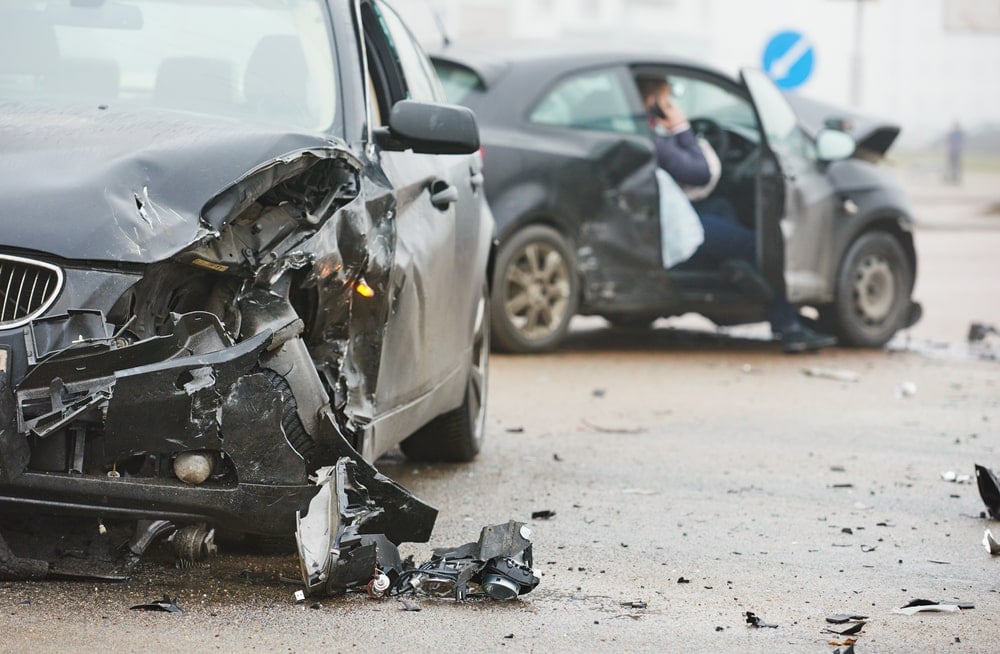
If you ride in Illinois, the law treats you much like a driver: you have most of the same rights on the road and most of the same responsibilities. Bicyclists riding on a highway are granted the rights and are subject to the duties that apply to any vehicle driver, with a few exceptions (625 ILCS 5/11-1502). Knowing those rules keeps you safer and, if a crash does happen, helps protect your right to compensation.
Do Cyclists Have the Same Rights as Drivers in Illinois?
Yes, for the most part. Once you are riding on a public road, you have the right to use the roadway and you must obey the same signs, signals, and lane markings as a car. That means stopping at red lights and stop signs, riding in the same direction as traffic, and yielding when the law requires it.
Because a bicycle is far more exposed than a car, these rules matter. When a driver ignores them and hits a rider, an Illinois bicycle accident lawyer can help sort out fault and hold the at-fault driver accountable.
Where You Can Ride: Lane Position, Sidewalks, and Bike Paths
When you are moving slower than traffic, Illinois law asks you to ride as close as practicable and safe to the right-hand edge of the roadway (625 ILCS 5/11-1505). You do not have to hug the curb in every situation. You may move left to:
- Pass another bicycle or vehicle going the same way
- Prepare for a left turn
- Avoid parked cars, debris, animals, or other hazards
- Take the lane when it is too narrow to share safely
Sidewalk riding is governed by local rules. Riding on a sidewalk or crosswalk is prohibited wherever official traffic-control devices say so, which is how a city or village bans bikes from a downtown business district (625 ILCS 5/11-1512). Where sidewalk riding is allowed, you must yield to pedestrians and give an audible signal before passing, and while you are on the sidewalk you have the same rights and duties as a pedestrian. Bicycle paths are open to riders, and low-speed electric bikes may use them unless the agency that maintains the path prohibits it.
The 3-Foot Passing Law
One of the most important protections for Illinois riders is the passing law. A motorist overtaking a bicycle must leave a safe distance of at least 3 feet and keep that space until safely past the rider (625 ILCS 5/11-703(d)). A driver who buzzes a cyclist, or who drives recklessly close to one, can face criminal charges if the rider is hurt.
Unsafe passing is a common cause of serious crashes. If a driver clipped you or forced you off the road, document the scene if you can and speak with an Illinois car accident lawyer about your options.
Riding Two Abreast, Signaling, and Turns
You may ride two abreast in Illinois as long as you are not impeding normal traffic flow, and on a laned roadway riders travelling two abreast must stay within a single lane. Riding more than two abreast is not allowed except on paths or parts of roadways set aside for bicycles (625 ILCS 5/11-1505.1).
Hand signals work much like they do for drivers, with one bicycle-specific rule. A signal of intent to turn must be given during at least the last 100 feet before the turn and while you are stopped waiting to turn, though you do not have to hold the signal continuously if you need that hand to control the bike (625 ILCS 5/11-1511). Illinois also lets riders make either a standard vehicle-style left turn or a pedestrian-style left turn, crossing and then proceeding in the new direction.
Required Equipment: Lights, Reflectors, Brakes, and Helmets
For night riding, Illinois requires specific equipment (625 ILCS 5/11-1507):
- A front lamp emitting a white light visible from at least 500 feet
- A rear red reflector visible from 100 to 600 feet
- Working brakes that can stop and hold the bike
- Pedal reflectors visible from 200 feet, plus side reflectors visible from 500 feet
A steady or flashing red rear light visible from 500 feet may be added or used in place of the reflector. There is no statewide helmet law in Illinois, though some towns require helmets for children. Even where they are optional, a helmet is one of the simplest ways to reduce head-injury risk.
Illinois E-Bike Laws: The Three Classes
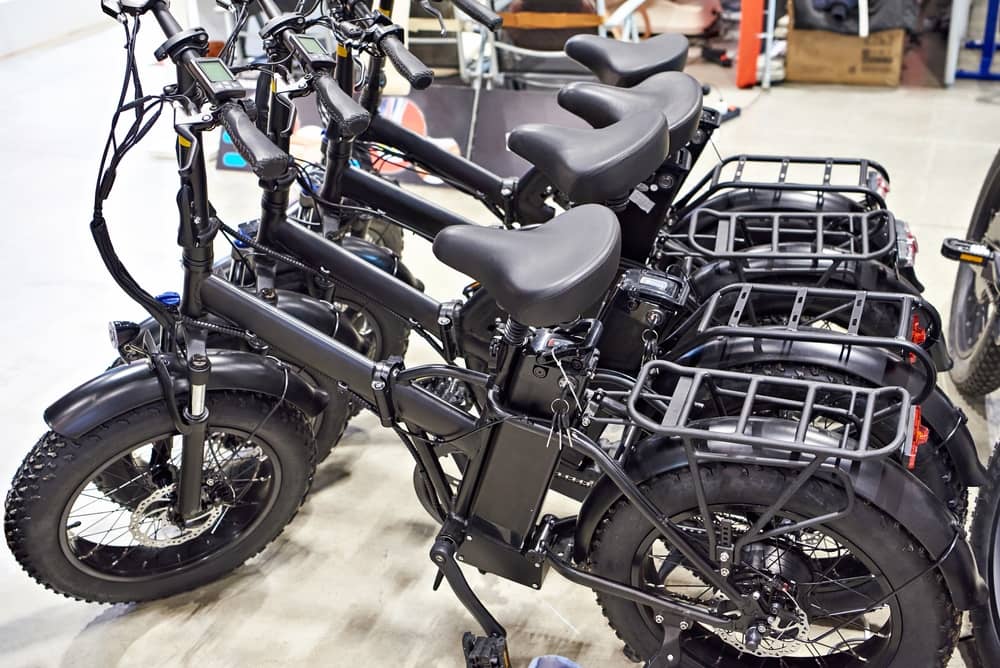
Illinois uses a three-class system for low-speed electric bicycles. To qualify, an e-bike must have fully operable pedals and an electric motor under 750 watts (625 ILCS 5/1-140.10). The classes are:
- Class 1: pedal-assist only, motor cuts out at 20 mph
- Class 2: throttle can power the bike without pedaling, motor cuts out at 20 mph
- Class 3: pedal-assist only, motor cuts out at 28 mph
Low-speed electric bicycles may be ridden on roads and in bike lanes but not on sidewalks (625 ILCS 5/11-1517). They may use bicycle paths unless the local agency in charge of a path prohibits them. To operate a Class 3 e-bike, you must be at least 16 years old, though a younger rider may ride along as a passenger on a Class 3 bike built for passengers. In most other respects, e-bike riders follow the same rules as anyone on a standard bicycle.
Motorized and Low-Speed Gas Bicycles
Gas-powered bicycles have their own rule. To operate a low-speed gas bicycle in Illinois you must be at least 16 years old, you may not ride it on a sidewalk, and you may not exceed 20 mph on any highway, street, or roadway (625 ILCS 5/11-1516). All other bicycle laws still apply. A true low-speed electric bicycle is treated as a bicycle, not a moped or motor-driven cycle, so it does not require a license, registration, or insurance.
What May Change on January 1, 2027: Illinois’ Micromobility Bill
Senate Bill 3484 would create Illinois’ first statewide framework for e-bikes, e-scooters, and higher-powered electric devices. It is not law yet. The bill passed both chambers of the General Assembly and was sent to the Governor on June 30, 2026, and if it is signed the provisions take effect January 1, 2027. As passed, it would set a minimum age of 15 to operate an electric micromobility device and keep the existing minimum age of 16 for a Class 3 e-bike, and it would reclassify electric two-wheelers capable of exceeding 28 mph, or exceeding the 750-watt e-bike limit, as motor vehicles requiring a license, title, registration, and insurance and barred from bike lanes and paths. Standard Class 1, 2, and 3 low-speed electric bicycles would stay classified as bicycles, with no license, registration, or insurance required. Because the bill is still awaiting signature and rulemaking would follow, riders should confirm the current requirements before the effective date.
Injured in an Illinois Bicycle Crash? Know Your Deadline
If a driver’s negligence caused your crash, you generally have two years from the date of the injury to file a personal-injury claim in Illinois (735 ILCS 5/13-202). One important exception catches riders off guard: if your claim is against a city, county, park district, or other local public body, for example because a road or path defect caused the crash, the deadline drops to one year from the date of the injury (745 ILCS 10/8-101). Waiting too long can bar your claim entirely, so it is worth talking to a lawyer early while evidence is fresh.
Illinois follows modified comparative negligence. Your compensation can be reduced by your share of fault, and you are barred from recovering if you are found more than 50% at fault (735 ILCS 5/2-1116). Insurers often try to pin blame on the rider to cut what they pay, which is one reason having someone in your corner matters. Whether you were struck while riding, or you are a driver or pedestrian involved in a crash with a cyclist, the facts and the law both deserve a careful look. Riders in the suburbs can also reach a local Naperville bicycle accident lawyer on the same team.
Frequently Asked Questions
Is it illegal to ride a bike on the sidewalk in Illinois?
There is no statewide ban, but sidewalk riding is prohibited wherever official traffic-control devices say so, and many business districts post it. Where sidewalk riding is allowed, you must yield to pedestrians and give an audible signal before passing (625 ILCS 5/11-1512). Low-speed electric and gas bicycles may not be ridden on sidewalks at all.
Do you need a license or registration for an e-bike in Illinois?
No. A low-speed electric bicycle with operable pedals and a motor under 750 watts is treated as a bicycle, not a motor vehicle, so it does not require a license, registration, or insurance (625 ILCS 5/1-140.10). A separate bill awaiting the Governor’s signature, Senate Bill 3484, would add license, registration, and insurance requirements for higher-powered devices that exceed the e-bike limits starting January 1, 2027, if signed.
Can a police officer pull you over on a bicycle?
Yes. Cyclists must obey traffic laws, and an officer can stop a rider for a violation such as running a red light or riding without required lights at night. A uniformed officer may also stop and inspect a bicycle if there is reasonable cause to believe it is unsafe or not equipped as the law requires.
Does Illinois require bicycle helmets?
Illinois has no statewide helmet law for cyclists of any age, though some municipalities require helmets for children. A helmet is strongly recommended regardless, since it is one of the most effective ways to reduce the risk of a serious head injury.
Hit on a Motorized Bicycle or E-Bike
If a driver passed too close or cut you off, we will look at the 3-foot rule and any attempt to shift blame onto you.
No fee unless we win.
This article is general information about Illinois law, not legal advice.