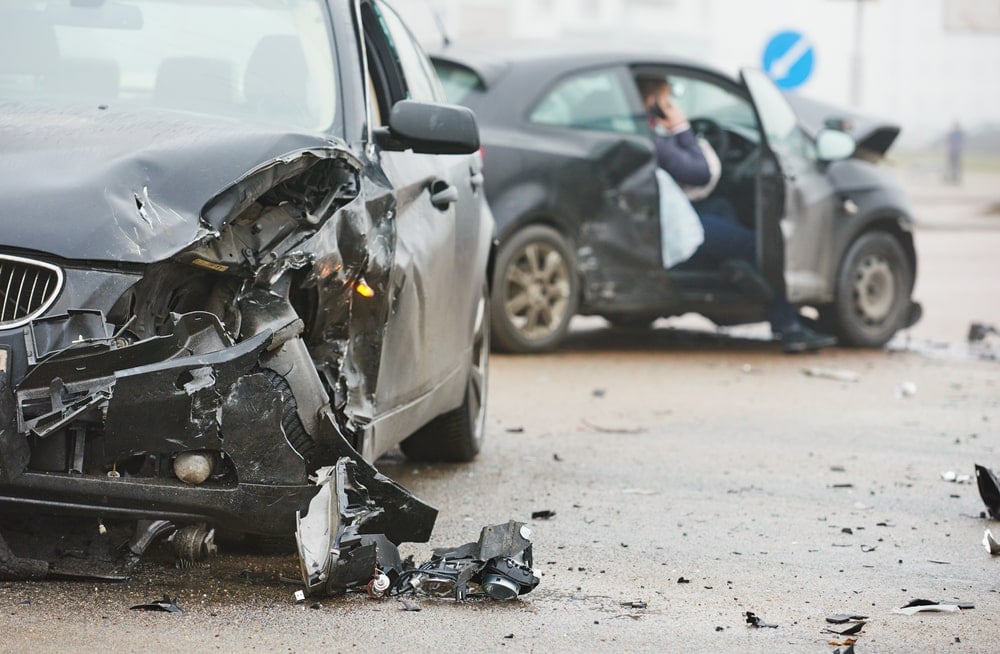
If you were in a crash in Illinois, you no longer have to file your own written accident report with the state. Illinois repealed that old 10-day motorist-report rule in 2021. What still matters is calling the police from the scene, making sure an officer documents the crash, and getting a copy of that report for your insurance claim. Waiting or skipping the police report is where injured drivers lose leverage.
What replaced the old rule is simpler than it sounds: law enforcement now handles the state paperwork, and your job is to make sure an officer creates that record in the first place. An Illinois car accident lawyer can request the report on your behalf and use it before witnesses scatter and evidence goes stale.
Does Illinois Still Have a Deadline to Report a Car Accident?
For years, Illinois drivers had to file a written Illinois Motorist Report within 10 days if police did not respond and the damage crossed a dollar threshold. That requirement is gone. The statute that created it (former 625 ILCS 5/11-406) was repealed effective August 20, 2021, so there is no longer a 10-day deadline for you to submit your own crash report to the state.
Reporting did not disappear, it shifted to law enforcement. Under 625 ILCS 5/11-408, any officer who investigates a reportable crash must forward a written report to the state within 10 days of the investigation. In practice, that means the most reliable way to create an official record is to call the police to the scene so an officer files the report for you.
What You Must Still Do at the Scene
The repeal changed the paperwork, not your duties at the crash itself. Illinois law still requires you to stop and stay. In any crash involving injury or death, you must stop your vehicle at the scene, remain there, and meet your obligations before leaving (625 ILCS 5/11-401). Leaving the scene of an injury crash is a serious criminal offense, not a paperwork slip.
You also have a duty to give information and render aid (625 ILCS 5/11-403). At the scene you are expected to share:
- Your name, address, and vehicle registration number
- The name of the vehicle’s owner
- Your driver’s license, shown on request
- Reasonable help for anyone injured, including arranging medical transport if needed
That same section adds a duty most drivers never hear about. If nobody at the scene is in a condition to receive your information and no officer is present, you have to report the crash right away at the nearest police station or sheriff’s office (625 ILCS 5/11-403). Failing to meet the section’s requirements is a Class A misdemeanor, so an unconscious driver and an empty intersection do not excuse you from making the call.
A driver who does not stop and comply with those duties faces a much shorter clock. You must report the place, date, approximate time, your name and address, and the vehicle’s registration number at a police station or sheriff’s office as soon as possible, and in no case later than one-half hour after the crash, or one-half hour after you are discharged if you were hospitalized and unable to report sooner (625 ILCS 5/11-401). Missing that window is charged as a felony, not a ticket.
When a Crash Report Is Required in Illinois
A police crash report is generally called for when an accident involves injury, death, or significant property damage. Illinois law enforcement guidance uses a property-damage threshold of more than $1,500 for reportable crashes, dropping to more than $500 when any driver involved is uninsured. Injuries or a fatality make the crash reportable regardless of the dollar amount.
You do not have to hit those numbers to involve the police, and you should not wait to see if you qualify. Calling 911 and letting an officer document the scene is the simplest way to get an accurate, official record. The Illinois State Police also takes a report online when no officer responds, but only for a single-vehicle, property-damage-only crash with no injuries that happened on an Interstate or a U.S. or Illinois route. Anything else belongs with a responding officer.
How to Get a Copy of Your Illinois Crash Report
Which agency responded determines where you request the report. The responding officer usually gives you an exchange card or report number at the scene, and you will need those details plus a small fee.
- Illinois State Police, for crashes on interstates and unincorporated areas, available online or by mail through the ISP Patrol Records Unit
- Chicago Police Department, for crashes within the city, available online, by mail, or in person
- Cook County Sheriff’s Office, for crashes it investigated, available online with an account
- Local police departments, for city and suburban crashes, requested directly from that department
Reports are not always ready the same day, since the officer has up to 10 days to file. If you cannot locate yours, your car accident attorney can request it on your behalf.
Legal Implications of Not Reporting the Crash
There may no longer be a state deadline for you to file your own report, but skipping the police entirely can still cost you. If someone was hurt or killed, calling the police is not optional, and leaving the scene can bring criminal charges, fines, and driver’s-license consequences.
The bigger practical risk is your insurance claim. Without a police report, the other driver can change their story, deny fault, or claim injuries later, and the insurance company is more likely to dispute or undervalue your claim. An official report that names the drivers, insurers, witnesses, and the officer’s observations is often the strongest early evidence you have.
Two other clocks keep running even though the state no longer wants a report from you, and either one can sink a claim on its own. Your own auto policy almost certainly requires prompt notice of a crash, and an insurer can contest coverage over late notice regardless of what the Vehicle Code says. Separately, if the vehicle that hit you belonged to a city, village, county, or other local public entity, such as a bus, a squad car, or a public works truck, you generally have only one year to file suit instead of the usual two (745 ILCS 10/8-101). In an ordinary crash between private drivers, the deadline is two years from the date of the injury (735 ILCS 5/13-202), and thin documentation makes it far harder to put a case together before it expires.
Steps to Take Immediately Following a Car Accident in Illinois
When you are involved in a crash, take these steps in the aftermath:
Call the Police and Report the Crash
Get an officer to the scene whenever there is injury, a fatality, or meaningful vehicle damage. It protects your rights and makes it far easier to recover damages from an at-fault driver.
Get Immediate Medical Attention
If your vehicle took significant damage, you may have injuries you cannot see. Internal bleeding and traumatic brain injuries are common in serious crashes, and prompt care keeps them from becoming life-threatening. Treatment also creates medical records that tie your injuries to the accident.
Exchange Information with Everyone Involved
Share and collect names, contact details, insurance information, and vehicle details from every driver at the scene.
Preserve Evidence
Photograph the vehicles, the scene, and any visible injuries, and get contact information and statements from anyone who witnessed the crash.
Be Careful with the Insurance Company
Illinois follows modified comparative negligence, so an insurer may try to shift blame onto you to reduce what it pays. Knowing how Illinois auto insurance claim laws work before you give a recorded statement helps protect your recovery. Talking with an attorney early keeps you from saying something that gets used against you.
How an Illinois Car Accident Lawyer Can Help
Even a minor crash is worth documenting, because you never know when the other driver will claim an injury or twist what happened. If their negligence left you with painful injuries and mounting bills, the record you build now shapes what you can recover later.
By reporting the crash and working with a lawyer, you put yourself in a stronger position to pursue full compensation. The Chicago car accident lawyers at 844-SEE-MIKE offer a free consultation to review what happened and explain your options. You pay nothing unless we recover money for you.
Frequently Asked Questions
How long do you have to report a car accident in Illinois?
Illinois no longer requires drivers to file their own written crash report within 10 days. That rule was repealed in 2021. If you left the scene of an injury crash, you must report to police as soon as possible and no later than one-half hour after the crash or your hospital discharge (625 ILCS 5/11-401). Otherwise, the best practice is to call the police from the scene right away.
Do I have to call the police after a car accident in Illinois?
You must involve police any time a crash causes injury or death. For property-damage crashes, calling police is not always legally required, but it is strongly recommended so an officer can create an official report that supports your insurance claim.
Who files the crash report in Illinois now?
A law enforcement officer who investigates a reportable crash files the written report with the state within 10 days (625 ILCS 5/11-408). That is why getting police to the scene is the most reliable way to create an official record.
What happens if I never report my accident?
For an injury crash, failing to stop and report can lead to criminal charges and license penalties. For any crash, no report often means a weaker claim, since the insurer can dispute fault and injuries without an official account of what happened.
How do I get a copy of my Illinois crash report?
Request it from the agency that responded, the Illinois State Police, Chicago Police Department, Cook County Sheriff, or the local department, using the report number or exchange information from the scene. A small fee usually applies, and your attorney can obtain it for you.
Check Your Lawsuit Deadline Before It Passes
If you were hurt in an Illinois crash, we will request your crash report and check whether your lawsuit deadline is two years or one.
No fee unless we win.
This article is general information about Illinois law, not legal advice for your specific situation. Contact 844-SEE-MIKE anytime for a free, no-pressure consultation.