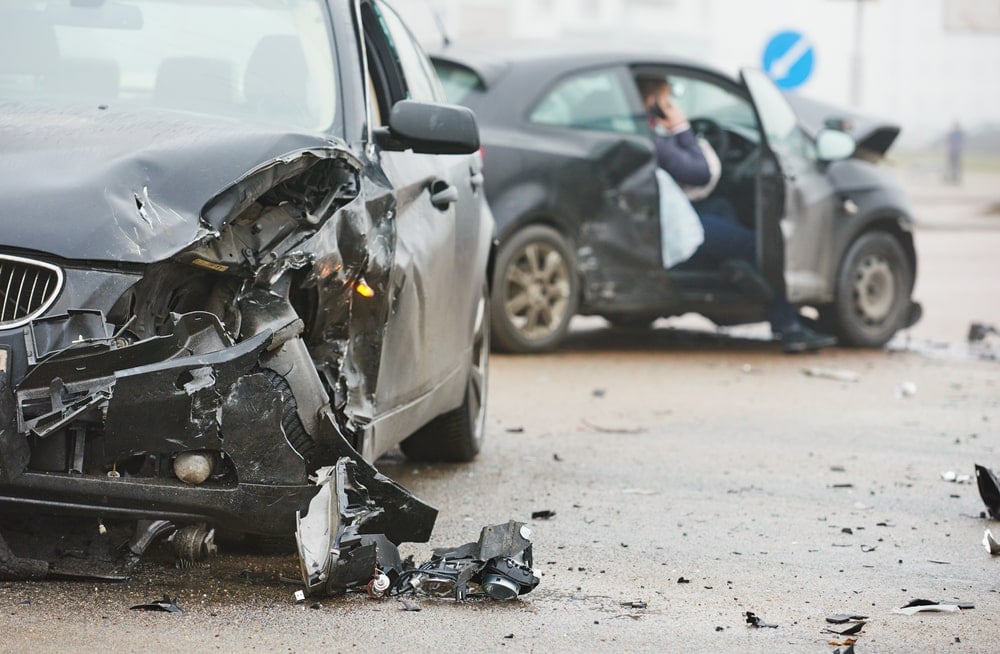
Second impact syndrome is a rare but often fatal condition that can happen when someone suffers a second head injury before an earlier concussion has fully healed. The brain swells rapidly, and even a minor second blow can be enough to trigger it. That is why any athlete, especially a young one, should never return to play while concussion symptoms are still present.
What Is Second Impact Syndrome?
Second impact syndrome, sometimes shortened to SIS, occurs when a person sustains a second concussion or head impact before the first concussion has healed. In the small window while the brain is still recovering, a second hit can disrupt the brain’s ability to regulate its own blood flow. The result is fast, severe swelling inside the skull.
The condition is uncommon, and the medical community still debates exactly how and why it develops. What is not in doubt is the danger of returning to a contact sport too soon. The second impact does not have to be hard. A routine tackle, a fall, or even a jolt without a direct blow to the head has been linked to these catastrophic outcomes.
Why Second Impact Syndrome Is So Serious
The swelling that defines SIS builds within minutes, which leaves almost no time for treatment. Studies have long reported that roughly half of these cases are fatal, and survivors are frequently left with permanent brain damage. Because the injury moves so quickly, the outcome often depends on how fast emergency care begins.
The stakes are what make prevention so important. A single unrecognized concussion, followed by a return to the field before recovery, can turn an ordinary game into a life-threatening event.
Who Is Most at Risk
SIS overwhelmingly affects children, teenagers, and young adults, particularly those in contact and collision sports. Football, hockey, rugby, soccer, and wrestling all carry elevated risk. Researchers believe younger brains may be more vulnerable to rapid swelling than adult brains, which is one reason youth sports draw so much attention.
The highest-risk period appears to be the first week to ten days after an initial concussion, though an athlete can remain vulnerable for several weeks if symptoms have not fully resolved. Warning signs of that first concussion are easy to miss, which is exactly why they matter.
- Headache or a feeling of pressure in the head
- Dizziness, balance problems, or nausea
- Confusion, memory gaps, or slowed thinking
- Sensitivity to light or noise
- Feeling foggy, sluggish, or unusually emotional
If a second impact does trigger SIS, collapse is often sudden and dramatic. Athletes may lose consciousness within moments, show dilated pupils, lose muscle control or seize, and stop breathing normally. This is a medical emergency that calls for a 911 response, not a sideline check.
How Illinois Protects Young Athletes
Illinois takes concussion safety in school sports seriously. Under the state’s Youth Sports Concussion Safety Act (105 ILCS 5/22-80), a student athlete who is believed to have sustained a concussion during an interscholastic activity must be removed from an interscholastic practice or competition immediately if a coach, official, trainer, or other designated person believes the student might have sustained a concussion. Getting back on the field is not a sideline judgment call. The student may return only after a treating physician, licensed athletic trainer, physician assistant, or advanced practice registered nurse provides a written statement that it is safe to return to play and return to learn, and a coach may not authorize that return. The Act reaches interscholastic athletic activity sponsored or sanctioned by a school, the Illinois Elementary School Association, or the Illinois High School Association.
These rules exist for a reason. They put a trained medical decision, rather than the pressure of a game, between an injured student and a dangerous second hit. When schools, leagues, coaches, or trainers ignore these protections and a preventable injury follows, families may have grounds to hold them accountable, though the rules for suing a public school are stricter than most people expect.
Suing a Public School Is a Different Fight
A public school district is a local public entity, and Illinois shields those entities in two ways that matter enormously here. First, the clock is short. A civil action against a local public entity or its employees must be filed within one year from the date the injury was received or the cause of action accrued (745 ILCS 10/8-101), not the two years that applies to an ordinary injury or wrongful death case. A family who assumes they have two years can lose the claim before anyone looks at it.
Second, ordinary carelessness is usually not enough. A local public entity and its employees are not liable for an injury tied to supervising an activity unless the conduct was willful and wanton, meaning a deliberate act or a reckless disregard for a student’s safety rather than a simple mistake (745 ILCS 10/3-108). A private school, club team, or league is generally judged by the ordinary negligence standard instead, so who ran the program can change the entire analysis. Because that one-year deadline runs quietly in the background, this is worth sorting out early.
A Case That Drew National Attention
The risks of youth football were brought into focus by the reported death of Aaron Singleton, a fifteen-year-old high school player in north Texas. According to news accounts, Aaron sustained a head injury during a game, suffered a seizure, and passed away the following day. His parents made the difficult decision to donate his brain for medical research, described at the time as some of the first scientific study into neuro-catastrophic injury in high school football players and the possibility of second impact syndrome.
Cases like Aaron’s are rare, but they underscore why concussion recognition and return-to-play rules save lives. The awareness they create can protect other young athletes long into the future.
When a Head Injury Becomes a Legal Matter
Not every concussion leads to a lawsuit, and SIS itself is uncommon. But when a serious brain injury results from someone else’s negligence, an injured person or a grieving family may have a claim. That negligence can take many forms, from a car crash to a coach or program that ignored required safety steps.
If a brain injury proves fatal, Illinois generally gives families two years from the date of death to bring a wrongful death claim (740 ILCS 180/2). Several exceptions move that line. A death caused by violent intentional conduct carries five years, certain criminal charges push the deadline to one year after the criminal case is finally resolved, and a beneficiary who was under 18 when the claim arose has two years after turning 18. None of that helps if the defendant is a public school district, where the one-year limit described above controls instead. Because the deadlines are unforgiving and the medical evidence in a brain injury case can be complex, it helps to speak with a lawyer early. Our resources on head injuries and traumatic brain injuries cover how these injuries affect victims over the long term.
Frequently Asked Questions
What happens during second impact syndrome?
The brain loses its ability to control blood flow after a second head impact, causing rapid and severe swelling inside the skull. Pressure builds within minutes, which is what makes the condition so dangerous.
How long is an athlete at risk after a concussion?
The risk is highest in the first seven to ten days after a concussion, but it can last several weeks if symptoms have not fully cleared. An athlete should not return to play until a licensed health care professional says it is safe.
Can you survive second impact syndrome?
Some people do survive, but studies report that roughly half of cases are fatal, and survivors often live with permanent brain damage. Fast emergency care gives the best chance of a better outcome.
Who is most likely to develop second impact syndrome?
It primarily affects children, teenagers, and young adults in contact sports such as football, hockey, and rugby. Younger brains are believed to be more vulnerable to the rapid swelling that defines the condition.
Does Illinois have concussion laws for student athletes?
Yes. The Youth Sports Concussion Safety Act (105 ILCS 5/22-80) requires immediate removal from practice or competition when a coach, official, trainer, or other designated person believes a student may have sustained a concussion. The student can return only on the written statement of a treating physician, licensed athletic trainer, physician assistant, or advanced practice registered nurse, and a coach may not authorize that return.
How long do I have to sue a school over a sports head injury in Illinois?
If the school is a public district, you generally have only one year from the injury or the date the claim accrued (745 ILCS 10/8-101), and you usually have to show willful and wanton conduct rather than ordinary carelessness (745 ILCS 10/3-108). Claims against private schools and non-school programs follow the ordinary deadlines, which are generally two years. Because the shorter window applies before anyone confirms who is responsible, it is best to get advice quickly.
After Your Child's Head Injury in Sports
If your child was seriously hurt or you lost them after a sports head injury, we will check whether a school followed Illinois return-to-play rules.
No fee unless we win.
If you or a loved one has suffered a brain injury in Illinois, you do not have to sort through the medical and legal questions alone. Contact 844-SEE-MIKE for a free, no-pressure consultation. You pay nothing unless we recover money for you. This article is general information, not legal advice.