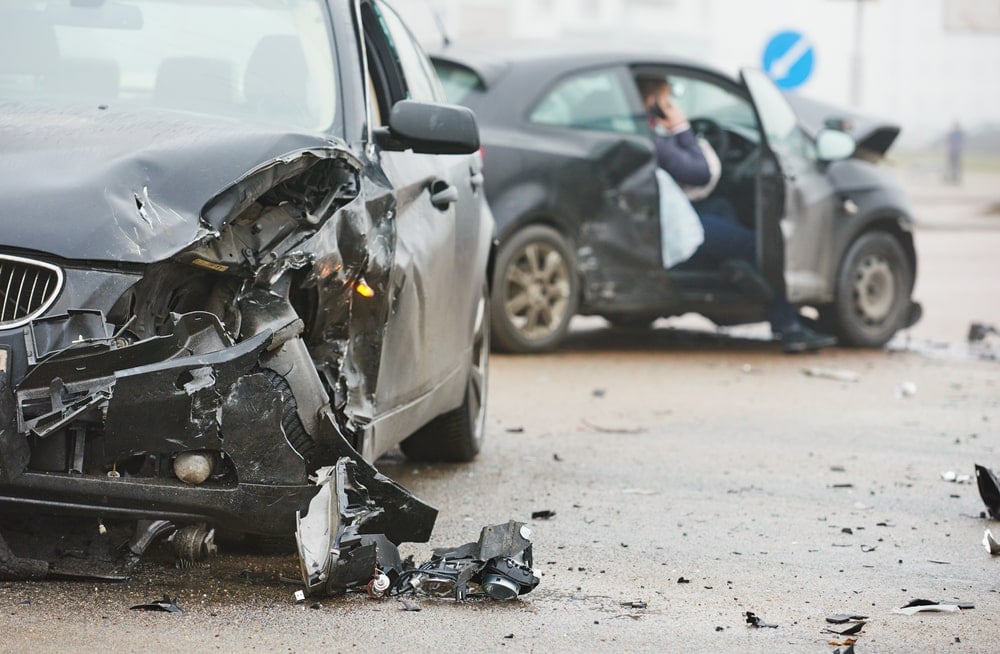
In most states you can drive at night with a learner’s permit only within limited hours and only while supervised by a licensed adult. In Illinois, drivers under 18 who hold an instruction permit cannot drive between 10 p.m. and 6 a.m. Sunday through Thursday, or between 11 p.m. and 6 a.m. on Friday and Saturday. The exact rules vary by state, so understanding how Illinois treats nighttime driving helps new drivers stay safe and legal.
These restrictions exist because crashes are more likely after dark, when lower visibility and driver inexperience combine. Sticking to the rules protects the permit holder and everyone else on the road. If you are unsure about your specific situation, check your state’s driving rules or your driver education course before getting behind the wheel at night.
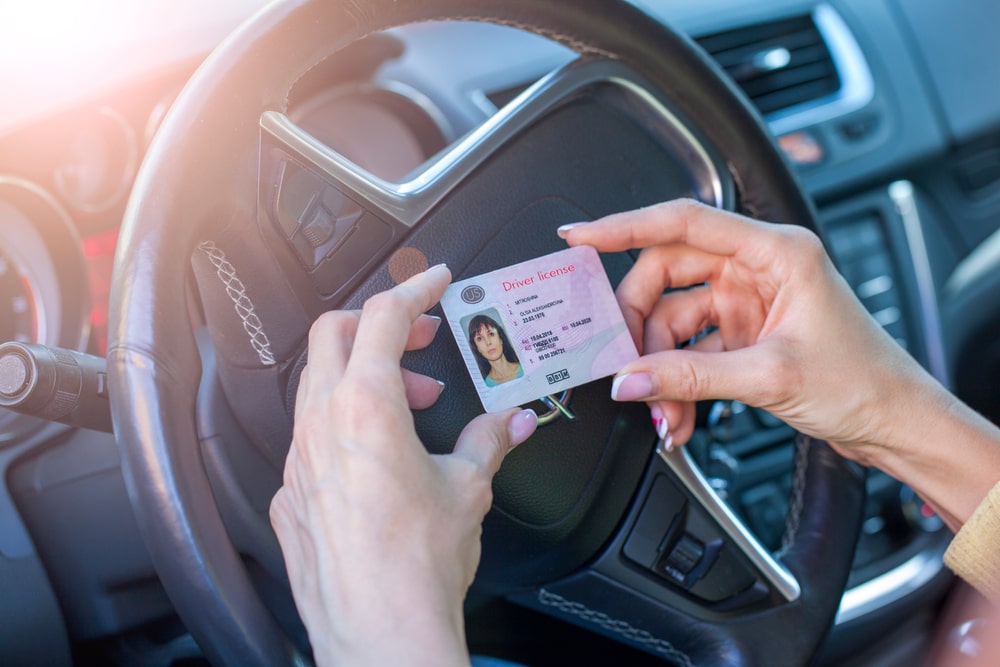
Understanding Permit Restrictions
When you drive with an instruction permit, several restrictions apply, and nighttime driving is one of the most important. These rules are designed to keep novice drivers safe while they build experience.
Illinois Instruction Permit and Nighttime Driving Restrictions
Individuals with an Illinois instruction permit are subject to nighttime restrictions. Permit holders under the age of 18 cannot drive between 10 p.m. and 6 a.m. from Sunday through Thursday, or between 11 p.m. and 6 a.m. on Friday and Saturday. These state limits work alongside any local curfew, and they are enforced to lower the risk to young drivers during high-risk overnight hours. When more than one rule applies, the stricter one controls, so always check your local curfew as well.
The Role of Driver Education for Those With a Learner’s Permit
To obtain an instruction permit in Illinois, a teen must be at least 15 and enrolled in an approved driver education course. These courses do more than teach car control. They build knowledge about safe driving habits and the reasons behind permit restrictions. During the permit phase, a driver may only be behind the wheel when supervised by a parent or a licensed adult who is at least 21, which lets new drivers develop skills in a controlled, lower-risk setting. If a nighttime crash does happen while a supervising driver is in the car, an experienced Illinois car accident lawyer can explain how fault and insurance are handled.
Progressing to a Driver’s License
Earning the privilege of driving independently in Illinois involves a series of steps, from holding an instruction permit to acquiring a full driver’s license. Adhering to nighttime driving restrictions is a key part of that journey during the early phases.
From Learner’s Permit to Initial Licensing Phase
New drivers typically begin with an instruction permit, sometimes called a learner’s permit. The goal is the same across states: give beginners the chance to practice in a controlled and supervised environment. In Illinois, the permit allows driving only while supervised by an adult who holds a valid driver’s license, and it must be held for at least nine months with a clean record before moving forward.
Age Requirement: In Illinois, teens can apply for an instruction permit at 15 when enrolled in driver education
Supervised Driving: A minimum of 50 hours of supervised practice is required, including 10 hours at night
Nighttime Restrictions: Driving is prohibited during the overnight hours described above to reduce risk
As drivers move into the initial licensing phase, nighttime restrictions continue in order to limit the higher risks that come with driving after dark.
Acquiring a Valid Driver’s License
Moving from the permit and initial licensing phases to a full driver’s license means meeting state-specific requirements that show the driver has developed safe habits and is ready to drive without supervision.
Completion of Requirements: A set number of driving hours, in both daylight and nighttime, must be logged
Passing Tests: Written and road tests are typically required to advance from a permit to a license
Provisional to Full License: Illinois issues a graduated license before granting full, unrestricted driving privileges at 18
By meeting each requirement, a new driver can upgrade from a permit to a full license and drive without supervision, as long as they keep following traffic laws and safe driving practices. New drivers face a higher crash risk in their first years on the road, and many of those crashes involve pedestrians and other vehicles during low-visibility conditions.
Frequently Asked Questions
Can you drive at night with a permit in Illinois?
Not during the restricted overnight hours. Illinois permit holders under 18 cannot drive between 10 p.m. and 6 a.m. Sunday through Thursday, or between 11 p.m. and 6 a.m. on Friday and Saturday. Outside those hours, they may drive only while supervised by a licensed adult who is at least 21.
How late can you drive with a learner’s permit in Illinois?
On Sunday through Thursday, driving is allowed until 10 p.m. On Friday and Saturday, it is allowed until 11 p.m. Local curfews may be stricter, so a teen driver should follow whichever rule is more limiting.
Do permit holders need supervision to drive at night?
Yes. Throughout the permit phase, an Illinois teen may drive only with a parent or a licensed adult 21 or older in the vehicle. That supervision requirement applies whenever they drive, including any allowed evening hours.
How long do you have to hold a permit before getting a license in Illinois?
A teen must hold the instruction permit for at least nine months, log a minimum of 50 hours of supervised practice including 10 hours at night, and keep a clean driving record before applying for the next license stage.
If you or your teen was hurt in a nighttime crash in the Chicago area, the team of Chicago car accident lawyers can review what happened and explain your options. You pay nothing unless we recover money for you.
If a Night Crash Hurt Your Teen
If your permit-driving teen was hurt after dark, we will look at who was at fault and any attempt to use the permit against them.
No fee unless we win.
This article is general information about Illinois driving rules and is not legal advice.