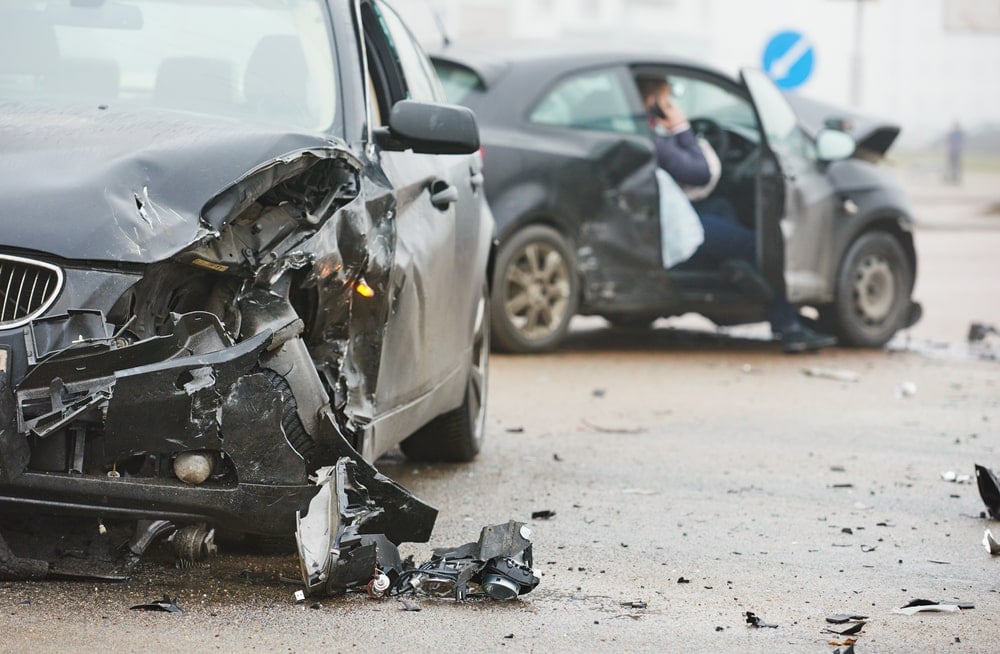
In Illinois, auto insurance generally follows the car, not the driver. If you let a licensed friend or family member borrow your vehicle with your permission and they cause a crash, your policy is usually the first coverage that responds, just as if you had been behind the wheel. The driver’s own insurance may come into play in a few specific situations, but the vehicle’s policy is the starting point.
That single rule decides whose insurer pays after a wreck, whether your rates go up when someone else was driving, and what happens if the person at the wheel had no coverage of their own. Here is how it works under Illinois law and what to do if someone else’s driving left you hurt.
Does insurance follow the car or the driver in Illinois?
Illinois treats car insurance as coverage that attaches to the insured vehicle. When you buy a policy, you insure a specific car and the people who normally drive it. Anyone you allow to use that car is generally covered too, under a concept insurers call permissive use.
Because coverage rides with the vehicle, the owner’s policy is the primary source of payment after most crashes, even when the owner was not driving. The driver’s personal insurance usually sits in the background and only steps in as secondary or excess coverage, or in the narrow cases where the owner’s policy does not apply at all.
Permissive use: when someone borrows your car
Permissive use means you gave another licensed driver express or implied permission to drive your car. Illinois law builds that in: an owner’s liability policy has to insure the person named on it and anyone else using the vehicle with the owner’s express or implied permission (625 ILCS 5/7-317(b)(2)). When that driver causes an accident, your liability coverage generally pays for the injuries and property damage they caused to others, and your collision coverage generally pays to repair your own car if you carry it.
A few points matter for Illinois drivers:
- Household members who regularly drive the car should be listed on the policy, not just borrowing occasionally
- Permission can be spoken or reasonably assumed, but handing your keys to an unlicensed or excluded driver gives the insurer grounds to deny the claim
- Anyone who drives your car often enough to be a “regular” user should be added, or the insurer may deny the claim
If you loan your car to a friend and they cause serious injuries, your limits get used first. When the damages run past what your policy covers, the friend’s own liability insurance may be tapped for the excess, which can leave you sorting out the arrangement with them directly.
When insurance follows the driver instead
The “follows the car” rule has exceptions where coverage tracks the person instead:
- Rental cars, where your own policy often extends to a vehicle you rent for personal use
- Borrowing a car that is not in your household, where your policy can act as secondary coverage
- Non-owner policies, which some drivers without a car of their own carry to stay insured
- Driving for a rideshare or delivery app, where a commercial or app-based policy may apply
Coverage in these situations varies by insurer and policy language, so it is worth confirming with your own agent before you rely on it. A driver who borrows a car and has no coverage anywhere leaves everyone exposed, which is one reason Illinois requires insurance in the first place.
What happens if someone crashes your car and is not on your policy
If a permissive driver wrecks your car, the claim generally still goes through your policy, and it can affect your record and future premiums even though you were not driving. Your liability coverage pays the other party, and your collision coverage handles your vehicle if you carry it.
Problems arise when the driver was not permitted, was specifically excluded from your policy, or was using the car for a purpose your policy does not cover, such as certain business uses. In those cases the insurer may deny the claim, and you could be left arguing over who pays. If you were the injured party in a crash caused by someone driving another person’s car, both the vehicle’s policy and the driver’s own policy may be available to you.
Illinois insurance minimums and what they cover
Illinois requires every registered vehicle to carry liability insurance (625 ILCS 5/7-601). The mandatory minimum limits are at least $25,000 for bodily injury to or death of one person and $50,000 per crash for two or more people, plus $20,000 for property damage (625 ILCS 5/7-203). Those limits are what a permissive driver has to work with when they use your car.
Illinois also requires uninsured motorist coverage at those bodily-injury minimums, which protects you if the at-fault driver had no insurance. You can read more in our overviews of required auto insurance coverages and uninsured motorist coverage in Illinois. Because these minimums are low, serious injuries often exhaust a policy quickly, and knowing which policies apply becomes the difference between a full recovery and an unpaid medical bill.
If someone else’s driving hurt you in Illinois
Illinois is an at-fault state, so the driver who caused the crash, and their insurer, are responsible for the damages. If you were partly at fault, your compensation can be reduced by your share, and you are barred from recovering at all if you are found more than 50% responsible (735 ILCS 5/2-1116).
You also have a deadline. Most Illinois personal-injury claims must be filed within two years of the crash (735 ILCS 5/13-202), and evidence like vehicle data and witness memories fades well before then. A shorter clock catches people hit by a city, county, or transit vehicle, because most claims against an Illinois local public entity or its employees have to be filed within one year (745 ILCS 10/8-101). When more than one policy may apply, the vehicle owner’s and the driver’s insurers often point at each other, which is exactly the kind of dispute an experienced attorney can cut through. Our guide to Illinois auto insurance claim laws and our Illinois car accident lawyers can walk you through how the coverage stacks up in your case.
Frequently asked questions
Is car insurance attached to the car or the driver in Illinois?
It is attached to the car. Illinois auto insurance follows the insured vehicle, so the owner’s policy is generally primary even when someone else was driving with permission.
Can someone drive my car if they are not on my insurance?
Usually yes, under permissive use, as long as they are licensed and you gave permission. Anyone who drives your car regularly should be added to the policy, or the insurer may deny a claim.
What happens if someone wrecks my car and is not on my insurance?
If they had your permission, your policy generally covers the crash, and it can affect your premiums. If they were excluded, unlicensed, or using the car for a barred purpose, the insurer may deny coverage.
If I borrow a friend’s car and cause an accident in Illinois, whose insurance pays?
The car owner’s policy pays first. If the damages exceed those limits, your own liability insurance may cover the excess as secondary coverage.
How long do I have to file a claim after a crash in Illinois?
Most personal-injury claims must be filed within two years of the crash under 735 ILCS 5/13-202. Claims against a city, county, or transit agency generally carry a shorter one-year deadline (745 ILCS 10/8-101), so it is best to act well before either date while evidence is still available.
Hurt by Someone Driving Another Person's Car
If the owner’s and driver’s insurers are pointing at each other, we will read both policies and check whether the driver had permission.
No fee unless we win.
This article is general information about Illinois law and not legal advice for your specific situation.